Pilgrimage to the sacred sites of the Four Vajravarahi in Nepal

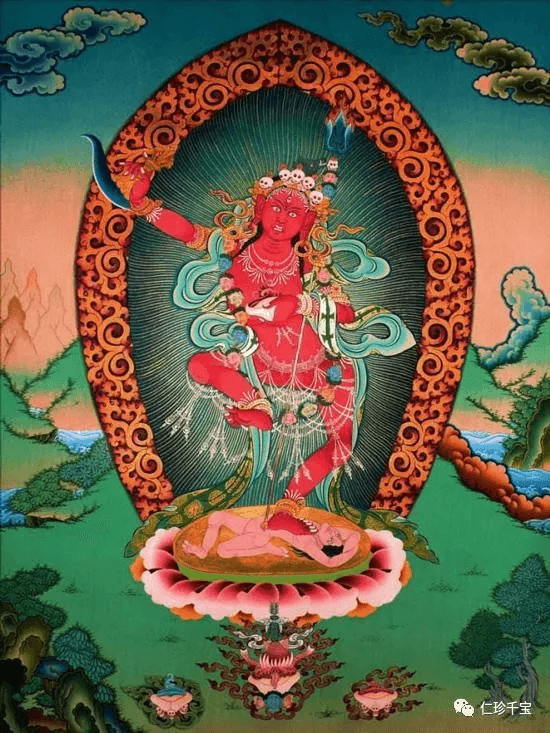
Vajravarahi, whose Tibetan name is Dorje Phagmo, is a female deity. She appears as a sixteen-year-old woman with one face and two arms, her entire body radiating red light throughout the ten directions and three times. Her head is shaped like a pig’s. Her right hand holds a vajra axe, her left hand a skull cup filled with blood, and her left shoulder rests on a celestial staff. Her three eyes are wide open, her fangs clenched around her lower lip. She wears a crown of five skulls, and has a slender waist. Around her neck hangs a necklace of fifty fresh human bones, adorned with small bells and flowers. Her right foot is suspended in the air, while her left foot rests on a human corpse on a lotus and sun disc. Behind her, the flames of wisdom blaze.
Vajravarahi is a highly revered and devoted deity among Tibetan monks and laypeople. In the Kagyu school, she is the foremost female deity, and great accomplished masters such as Marpa, Milarepa, and Gampopa all took her as their tutelary deity.
Dakinis are divided into two categories: worldly dakinis and transcendental dakinis. Vajravarahi is a transcendent dakini, the root of bliss and emptiness, and the fundamental source of all attainments. The dakini primarily practiced by the Nyingma and Kagyu schools is Vajravarahi. Practicing the Vajravarahi practice allows one to connect with the guru, sever the two obscurations of afflictions and knowledge, awaken innate wisdom, regulate the energy channels and subtle points (prana), and ultimately attain the immortal rainbow body—a supreme path to liberation from the cycle of birth and death.
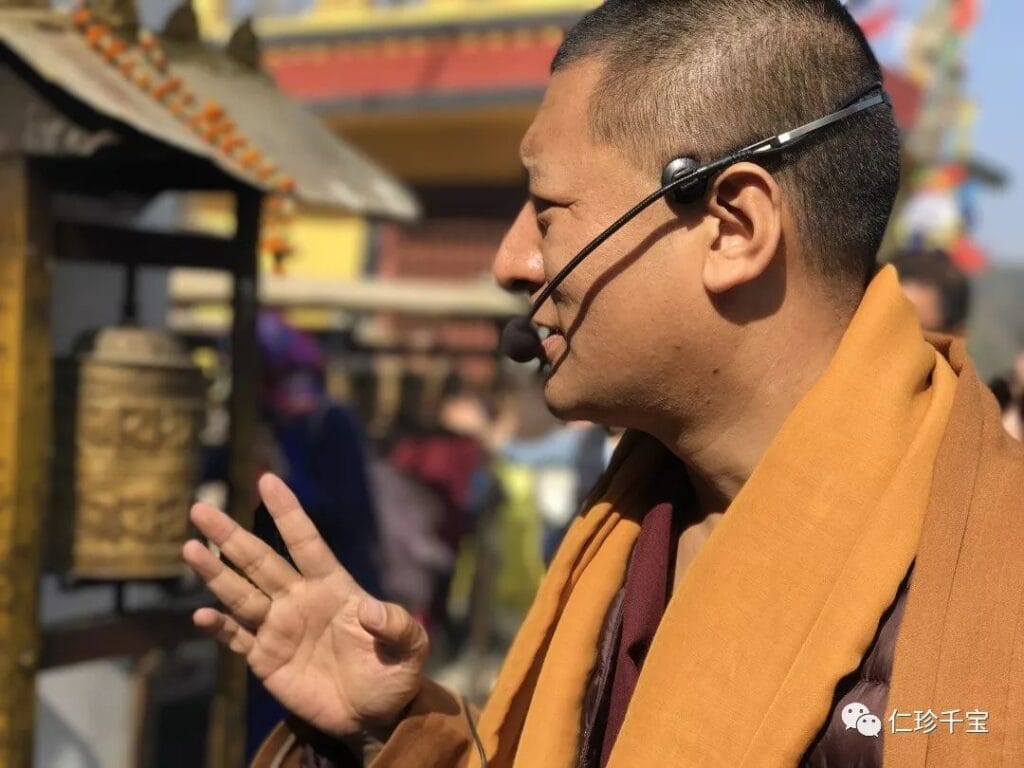
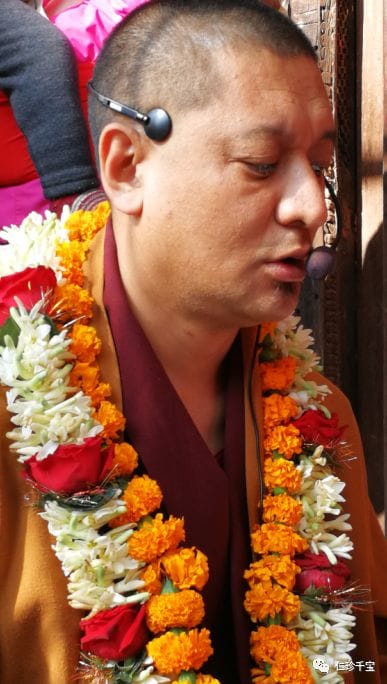
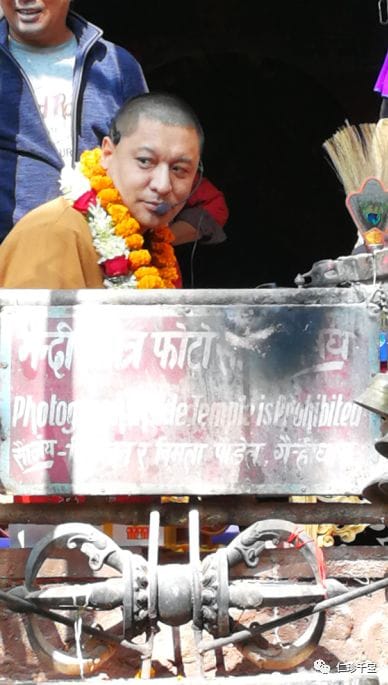
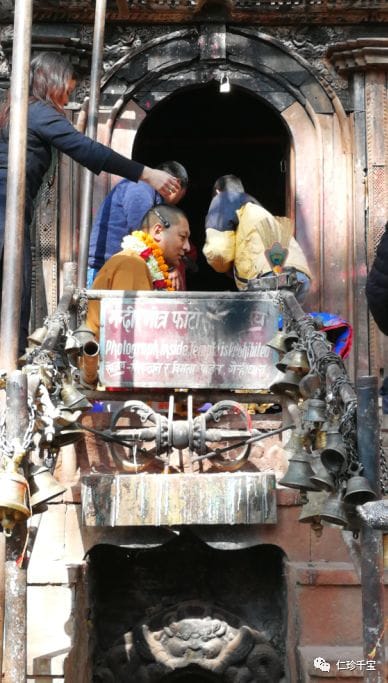
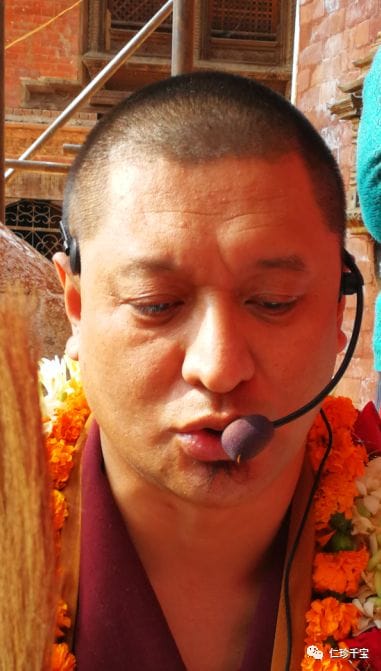
There are many Vajravarahi holy sites in Nepal. The four Vajravarahi holy sites that Master Bao led his disciples to visit this time are ancient, historically significant, and highly representative places, as well as the places where past masters and virtuous monks achieved their spiritual attainments.
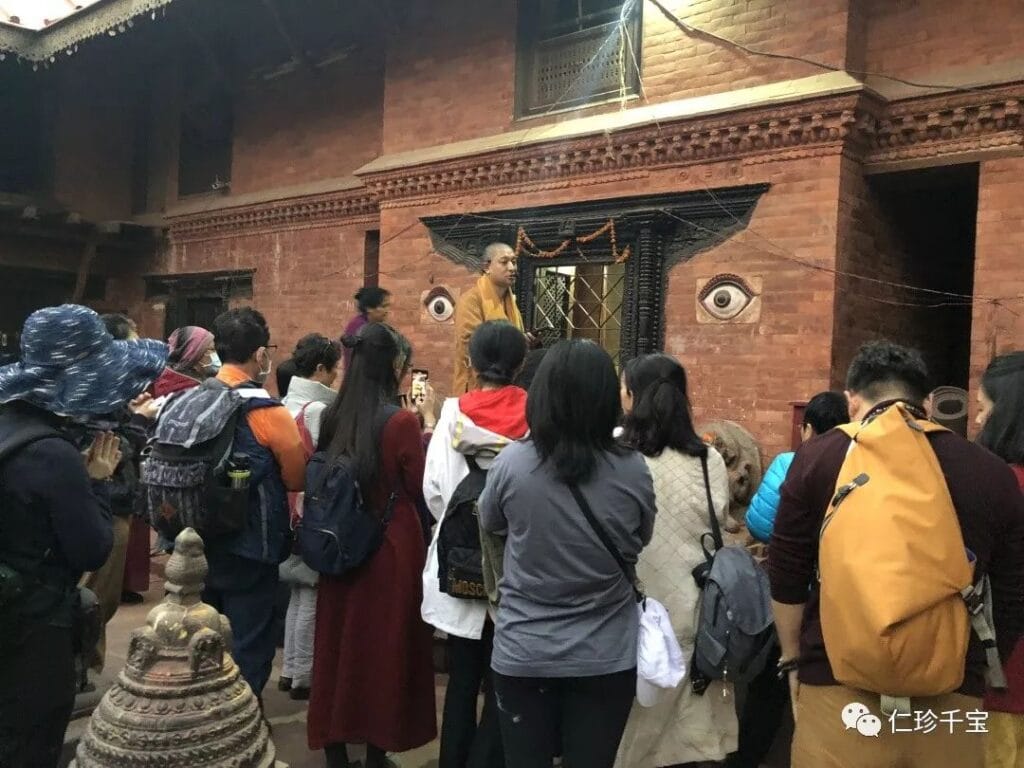
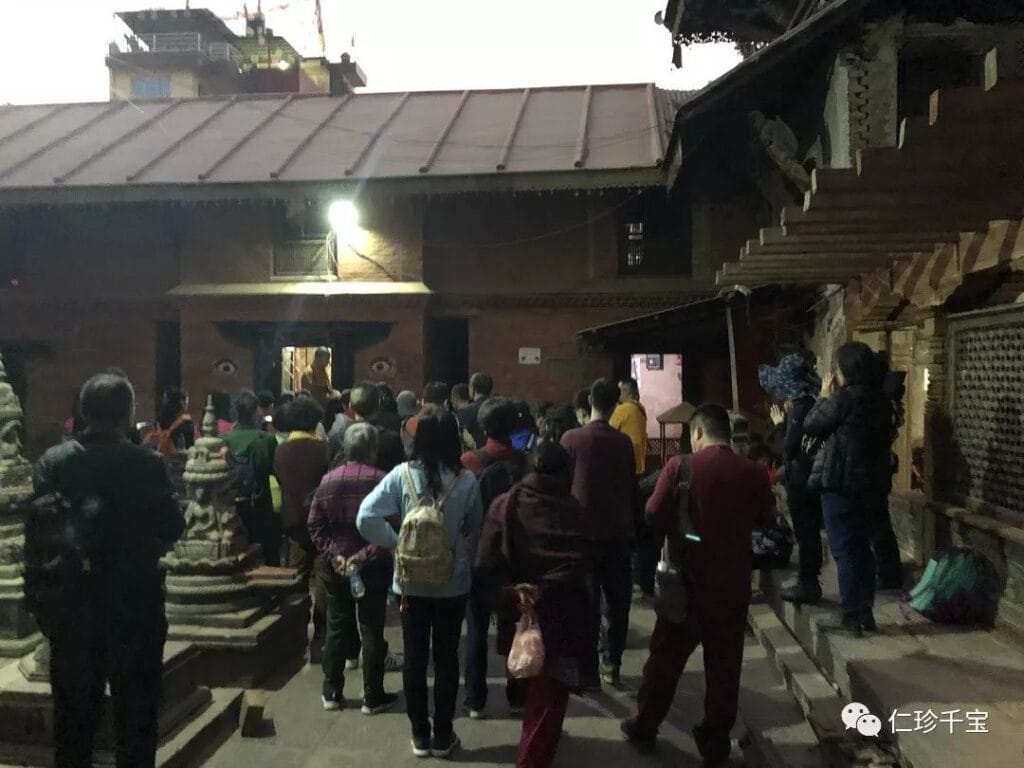
The First Vajravarahi Holy Site is a Vajrayogini Holy Site of the Metipa (Miji) lineage. It is a sacred site for practicing tantric Buddhism and is little known. The caretaker repeatedly confirmed that we were genuine Buddhists before allowing us to enter. Many accomplished masters have practiced retreats here, such as Naropa and Tilopa. We entered with reverence and devotion, bowing deeply in worship.
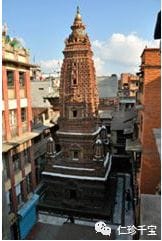
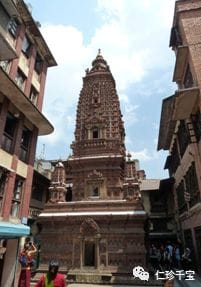
The Maha Stupa, also known as the Mahabodhi Temple, the Great Awakening Temple, or the Temple of a Thousand Buddhas, was modeled after the early Mahabodhi Stupa in Bodh Gaya, India. It is also called the Thousand Buddha Stupa because each tile is carved with a Buddha image, totaling 999. It features Kalachakra Vajra on top.
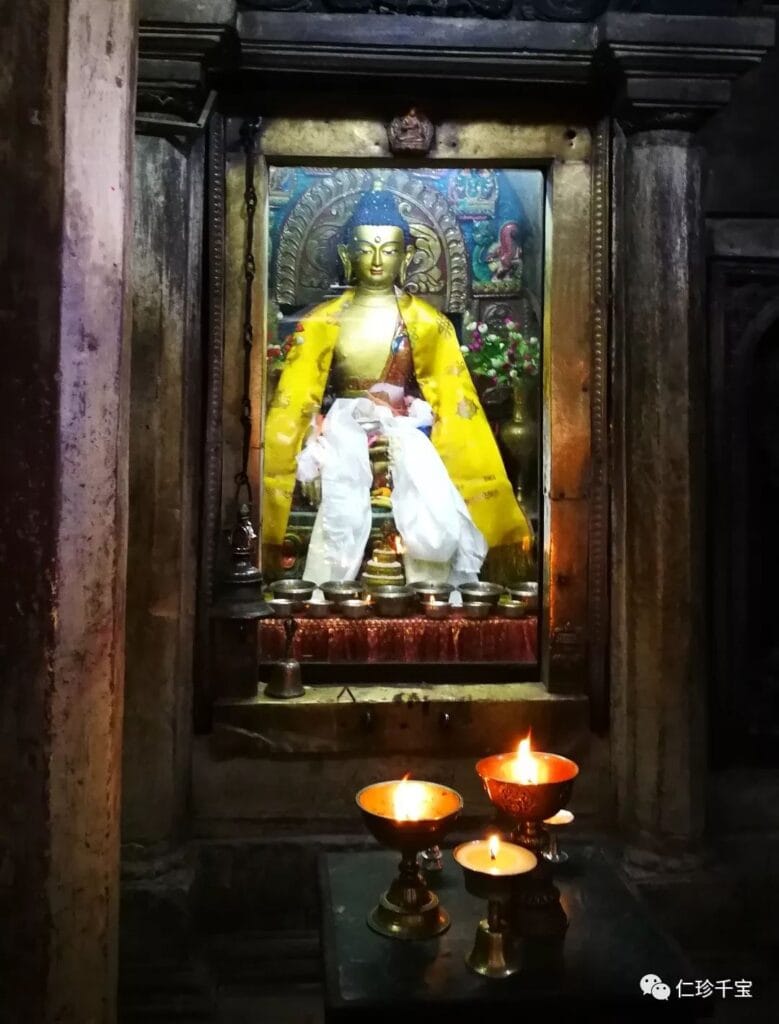
Legend has it that a devout Shakya clansman, after a pilgrimage to India, vowed to build a stupa in his homeland. With the support of the king, and after three generations of effort, it was completed 1300 years ago over 36 years. The main stupa is 30 meters high, with a 5-meter-high base, and consists of five levels. The entire stupa is reddish-brown, with a smaller stupa at each of the four corners. It is entirely constructed of brick, using 9000 giant terracotta bricks. Each brick features an image of Shakyamuni Buddha, making it a masterpiece of Nepalese pottery. Inside the hollow stupa is a 2-meter-high image of Shakyamuni Buddha, and an altar stands before the stupa.
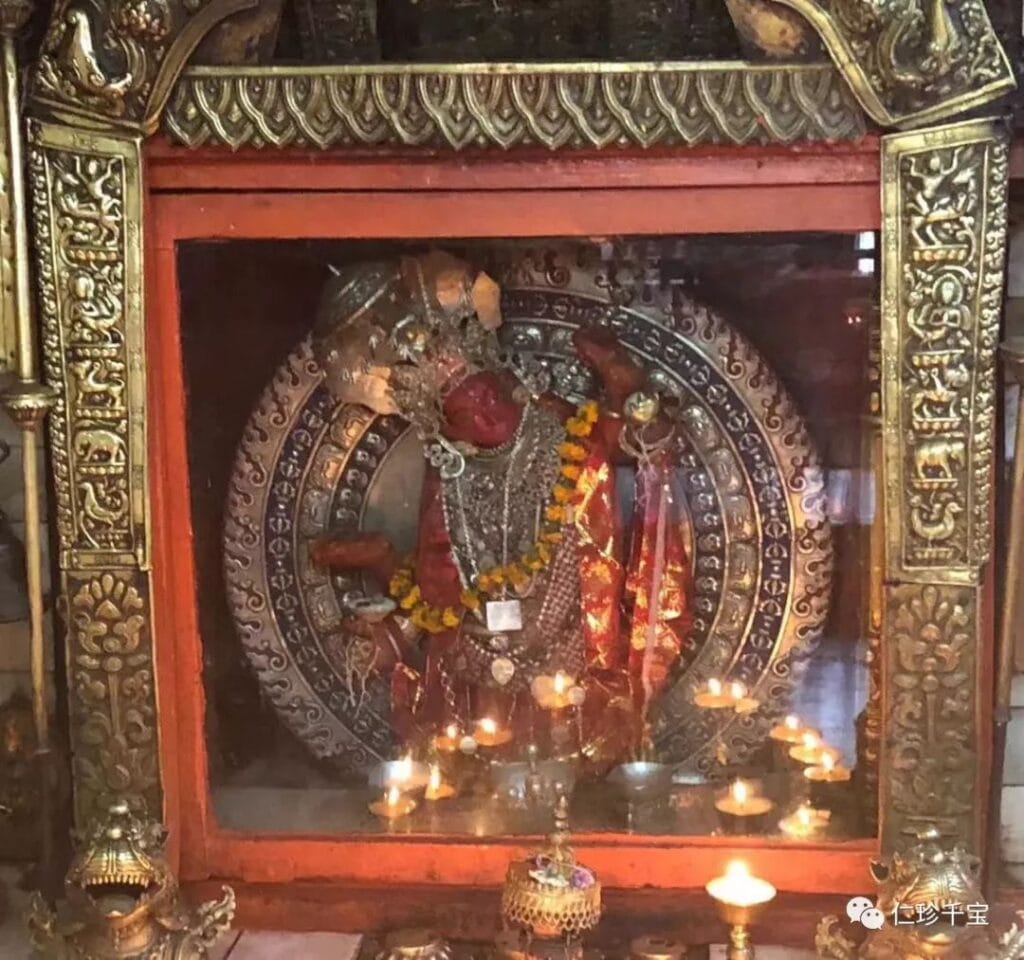
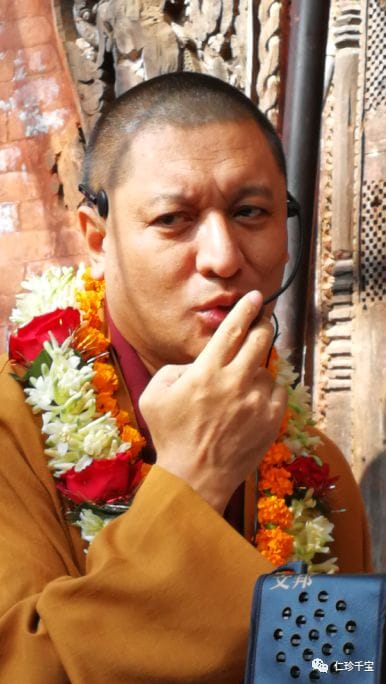
The second Vajravarahi sacred site is located on the second floor opposite the Thousand Buddha Pagoda. This is the sacred site of Vajravarahi, the Indraputta, where Vajravarahi is enshrined in a flying posture. Her name is the Dakini of Good Deeds. Under the guidance of the Venerable Guru, the disciples light lamps and recite mantras here.
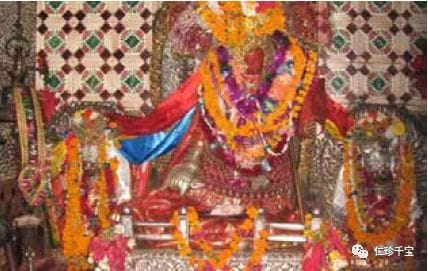
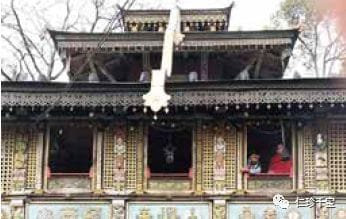
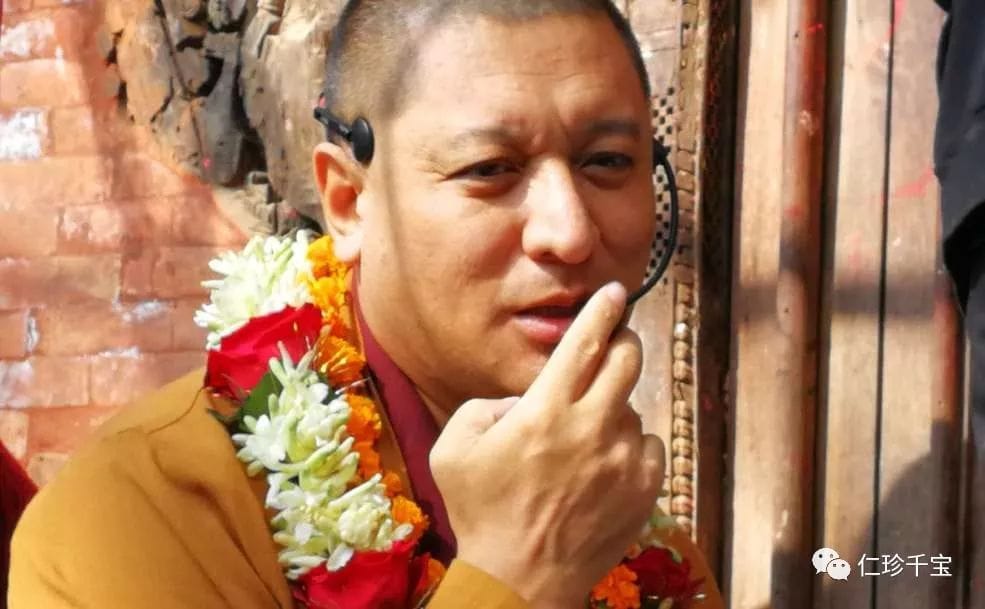
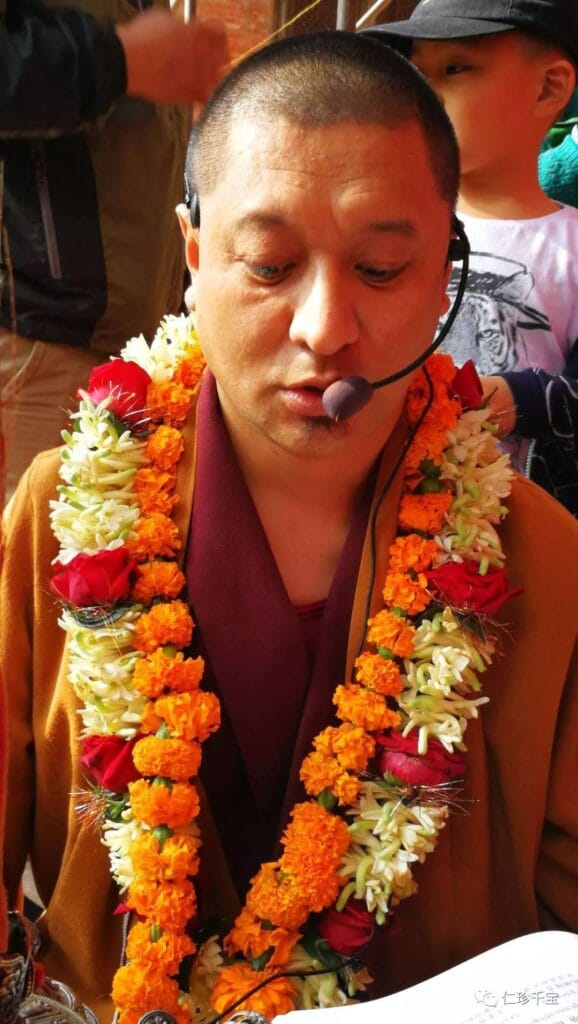
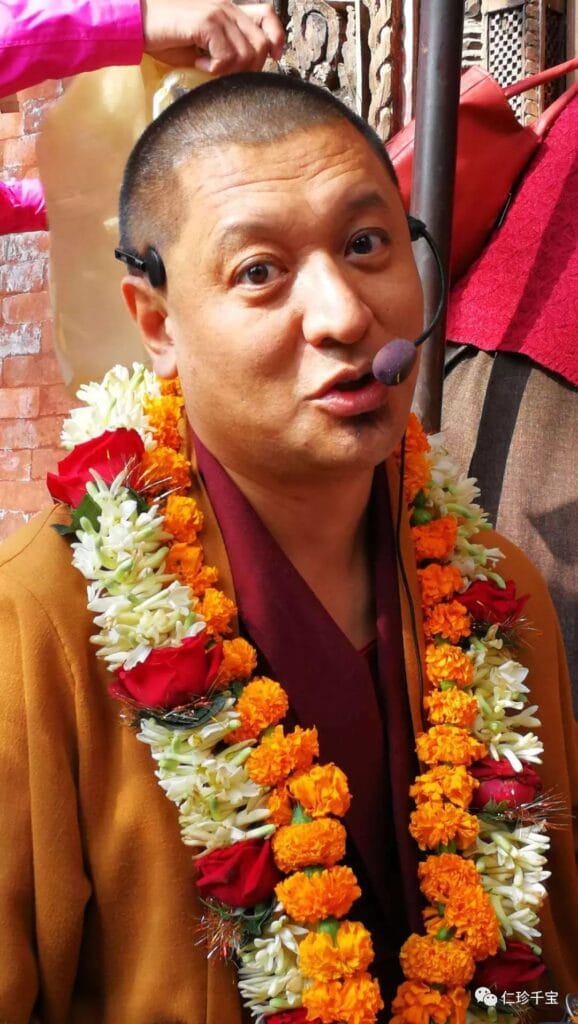
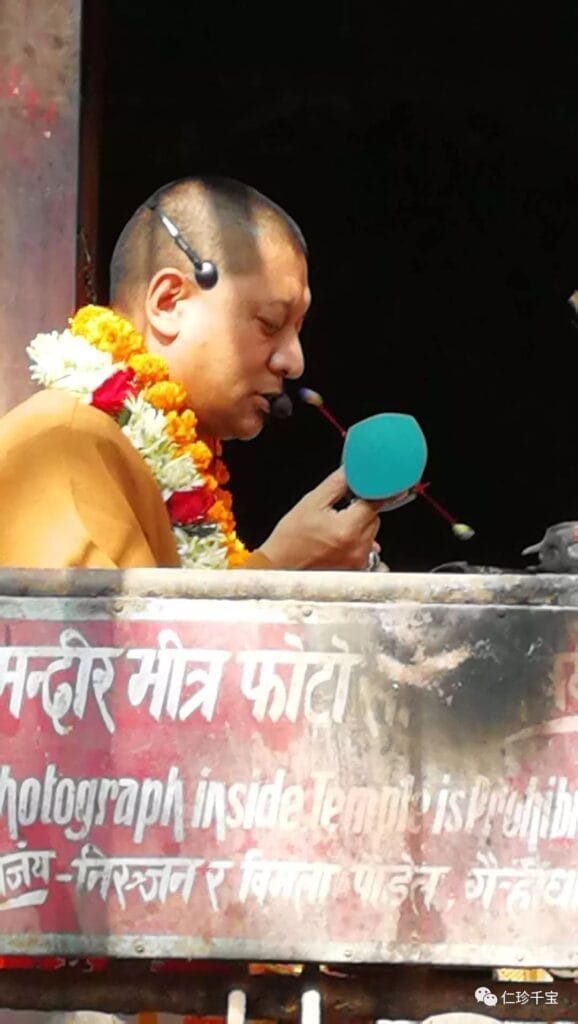
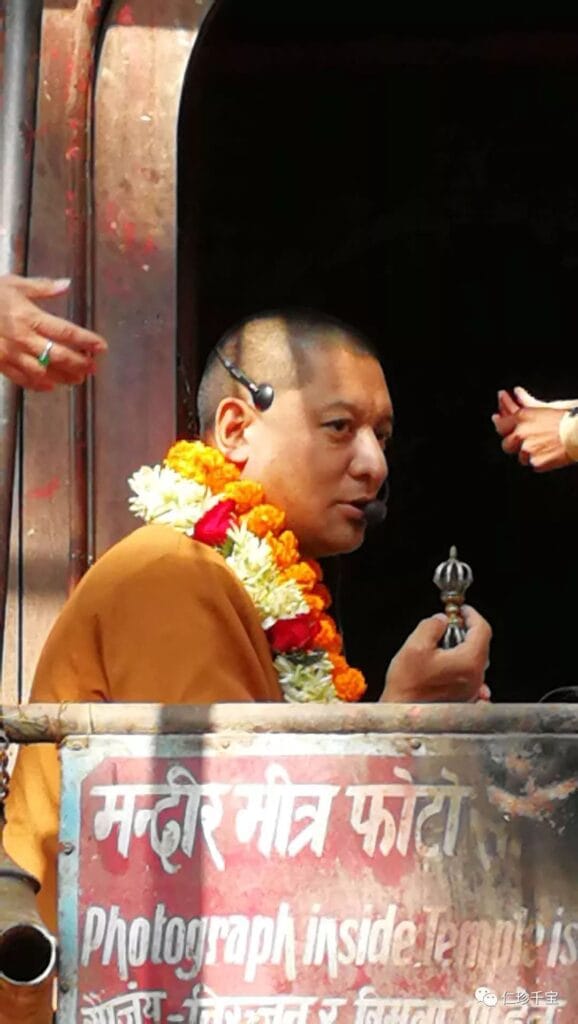
The third sacred site of Vajravarahi is located at the sacred site of Pangtingpa Vajrayogini. It is here that Naropa secretly transmitted the teachings of Narokha (Karchak) Dakini, and it is also the place where the Dakini manifested.
This sacred site was the monastery of Pangtingpa’s family. Pangtingpa was Naropa’s nephew and attendant. Early translators of tantras resided here. Previously, the Venerable Master also practiced and completed retreats here.
The lineage of the Narokha (Karchak) Dakini practice is divided into distant and close transmissions. The distant transmission is from Vajradhara (the source of all tantra transmissions) to Vajrayogini, who then transmitted it to the great Indian master Naropa. Naropa then transmitted the Vajrayogini teachings to his two disciples—the Pangtingpa brothers. One disciple attained Dakini accomplishment here, while the other, as prophesied by Naropa, went to Luojia Cave in Lanzhou, Gansu. Narokha Dakini appeared as a Han Chinese woman to support him in his practice, after which he attained accomplishment, and the entire body of the Buddha Father and Mother transformed into the form of Kalachakra. Therefore, it is believed that Han Chinese people can easily achieve enlightenment through this lineage.
The Kalachakra Tantra on the thirteen levels above the Luo Family Cave was created by Langga Rinpoche, a Sakya lineage practitioner who dedicated his life to practicing Naropa and Guru Rinpoche. Among the thirteen golden practices of Sakya are the Three Dakinis, and the lineage of Naropa is found here. Naropa is also the most important red deity practice among the thirteen golden practices of Sakya, later transmitted from Sakya to the Gelug school, becoming a primary practice for many masters.
My revered teacher received empowerments, guidance, and retreats from Langga Rinpoche on numerous occasions, encompassing both distant and near transmissions of the common and uncommon teachings. He also received both common and uncommon empowerments and transmissions of this teaching from the Sakya Dachen Rinpoche.
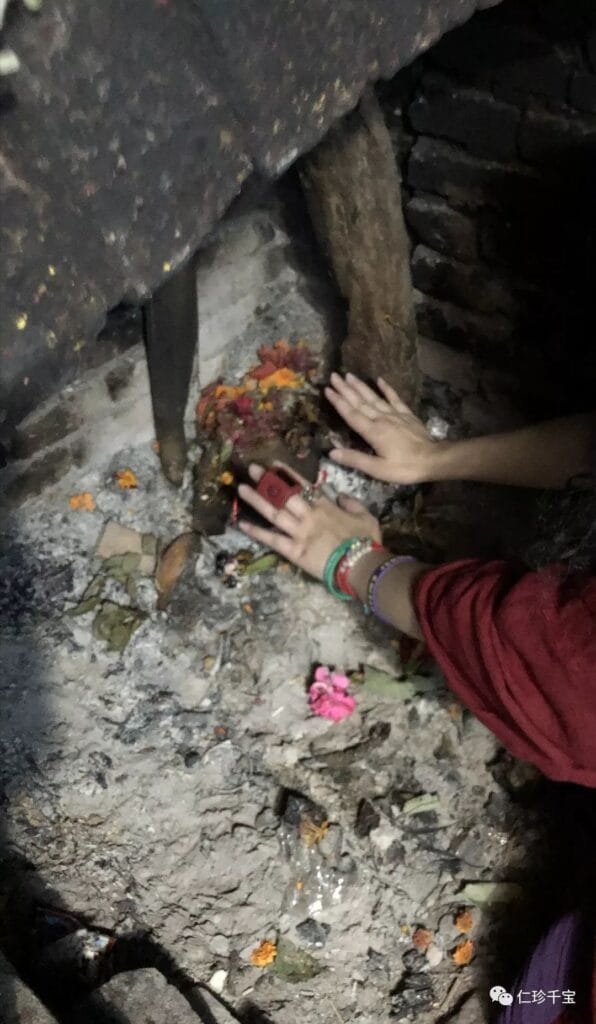
Beside Vajrayogini is the Thousand-Year Flame. This flame has endured for a thousand years without going out, symbolizing the power and virtue of Vajrayogini, and also symbolizing the eternal existence of the Dharma.
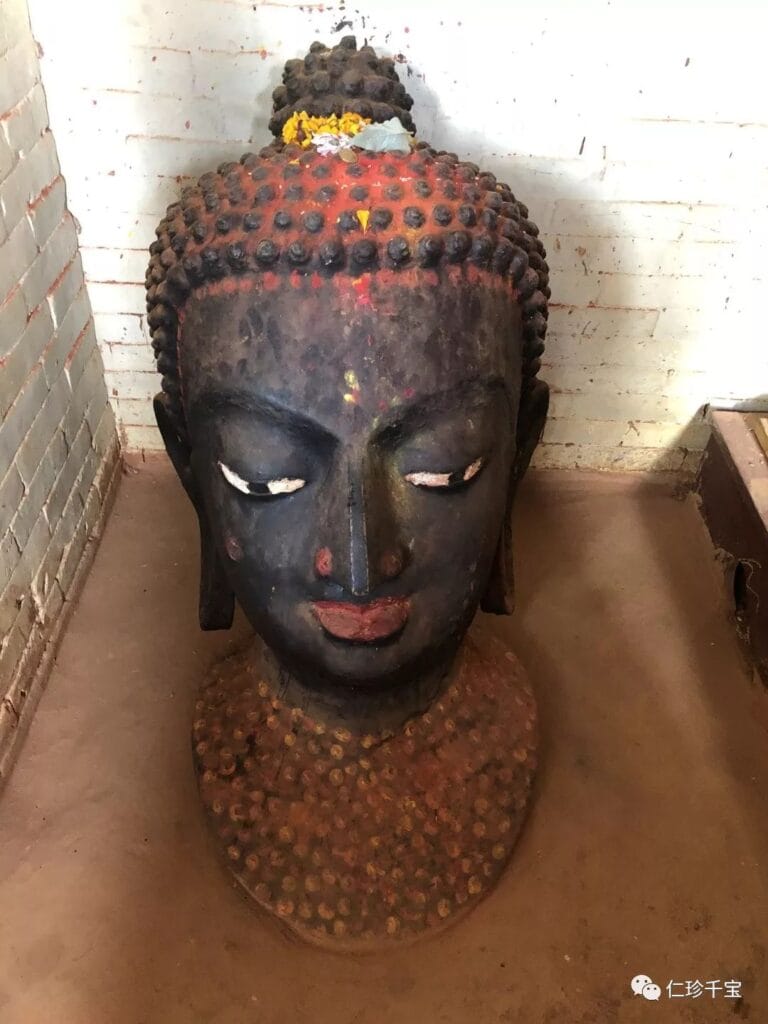
The King’s Head
The fourth sacred site of Vajravarahi is in Sangu. Sangu is a renowned ancient city, not only because it was the hometown of Princess Jincheng of Nepal during the time of Guru Rinpoche, but also because a compassionate king once lived here, earning him the reverence and remembrance of later generations.
Legend has it that in the past, this place suffered a severe plague due to the harm inflicted by the Dragon King, and only the king’s body could bring about a cure. To save the people, the king told his son, “If today a person dressed in white kneels beside a fishpond, you must cut off his head to restore the health of the people.” The son obeyed his command, and when he cut off the head of the person in white, he discovered it was his father.
Another version of the story states that when an Indian dynasty ruled this region, to avoid war, the king voluntarily sacrificed himself, cutting off his own head on the sole condition that the people’s faith and lives be protected.
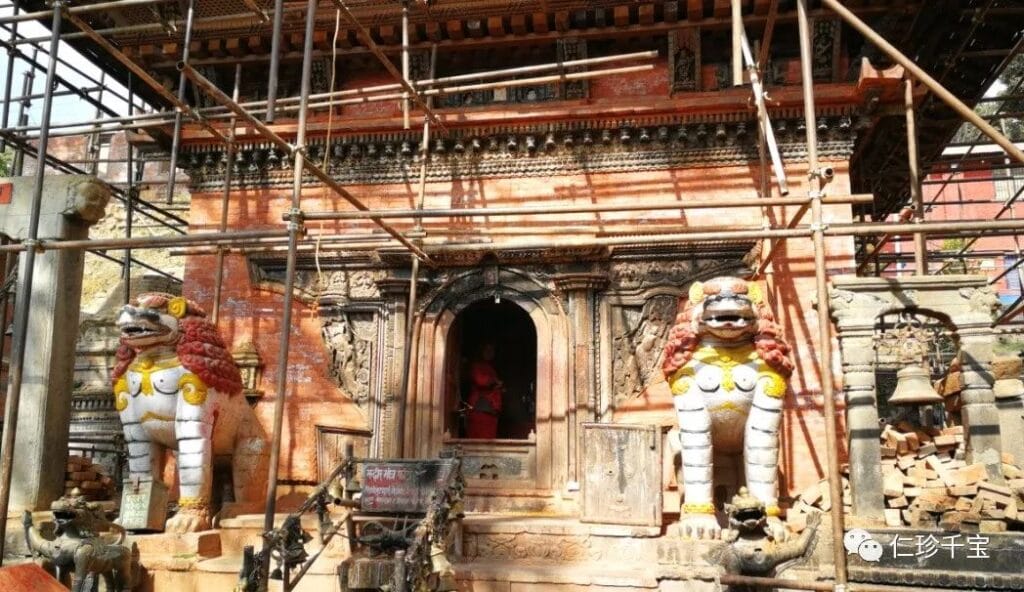
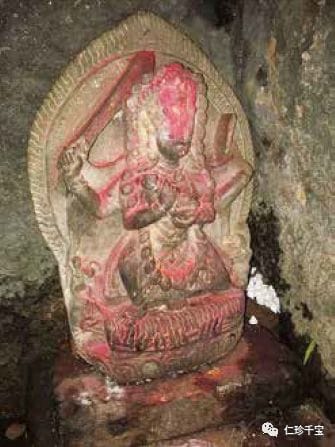
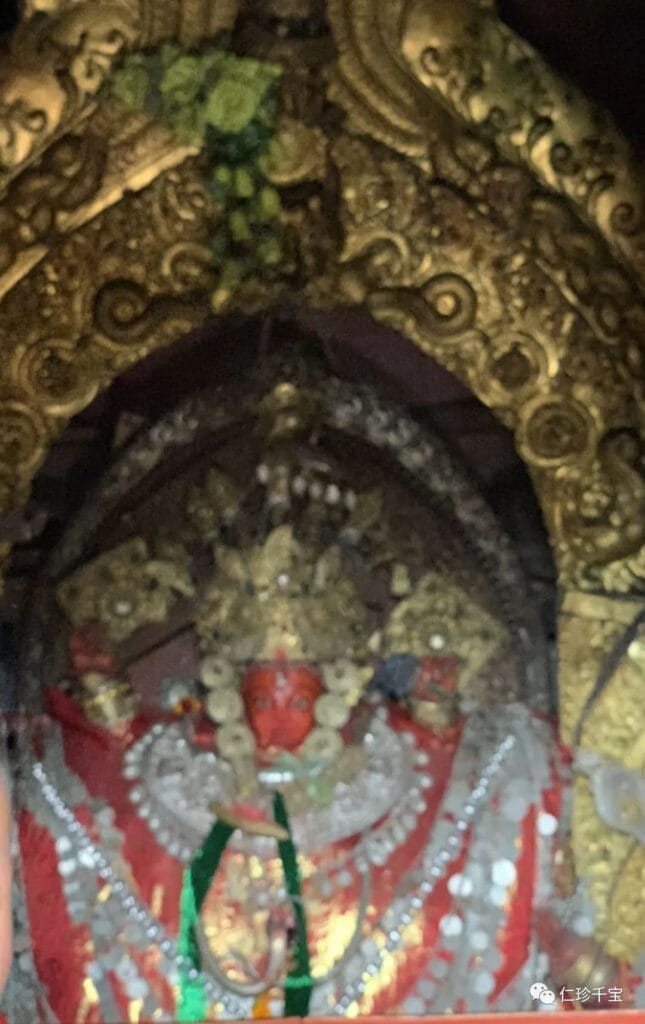
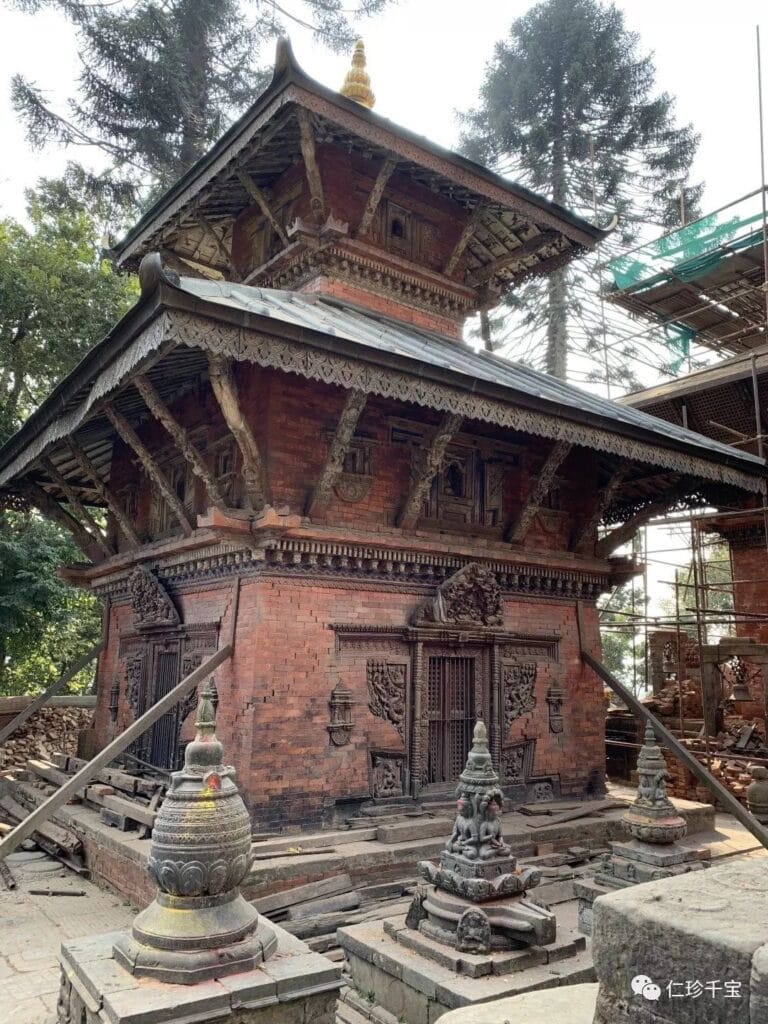
The four-armed Vajravarahi enshrined in the Sanggu sacred site is identical to the four-armed Vajravarahi of our Rinchen lineage. This statue is also known as “Atisha Vajravarahi.” Legend has it that the elderly Atisha, on his arduous journey from India to Tibet to propagate the Dharma, passed this Vajravarahi statue in Sanggu holding a sword. He asked, “Is anyone willing to go with this old man?” The statue raised its hand, saying, “I will go with you,” thus giving it the name Atisha Vajravarahi.
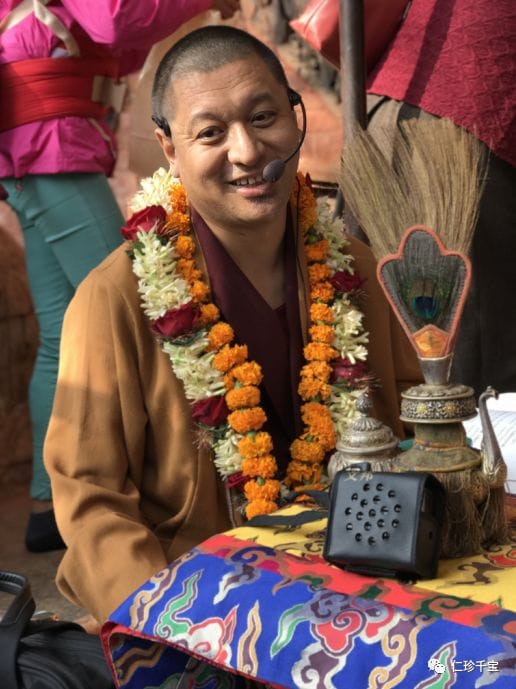
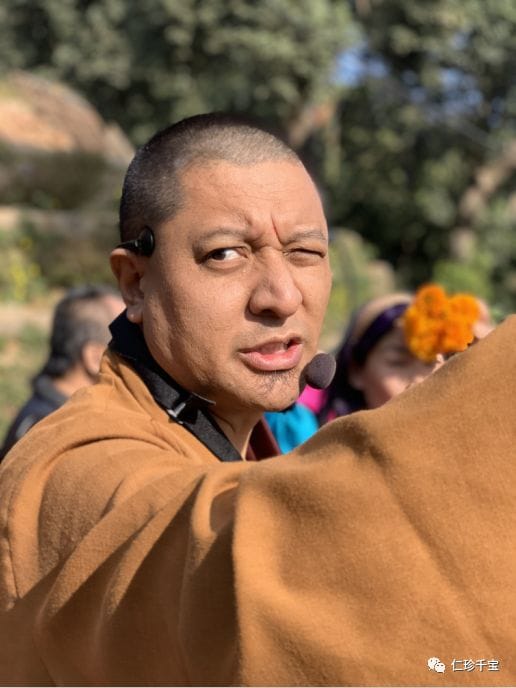
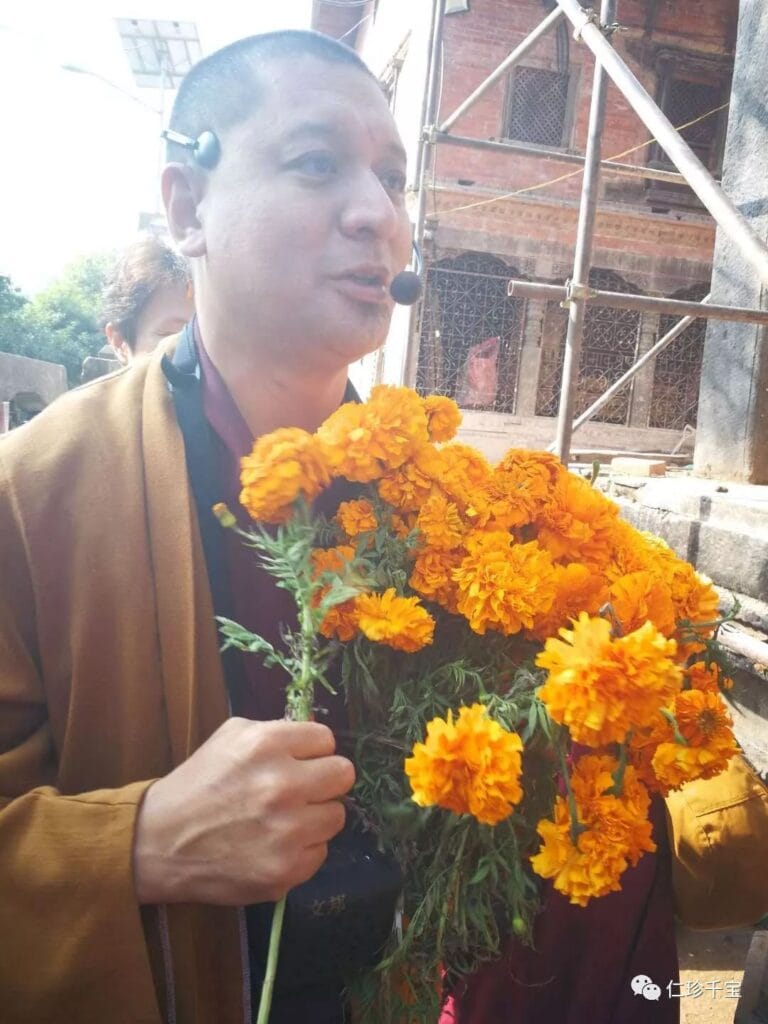
The locals accompanying us told us that thirty years ago, someone stole this four-armed Vajravarahi statue, but was struck by lightning and killed shortly after. Vajravarahi was recovered, and this place became a must-visit pilgrimage site for practitioners of tantric Buddhism. The Venerable Master led his disciples in practicing Dharma and performing tsog offerings here, and many auspicious signs appeared that day, inspiring faith in his disciples.
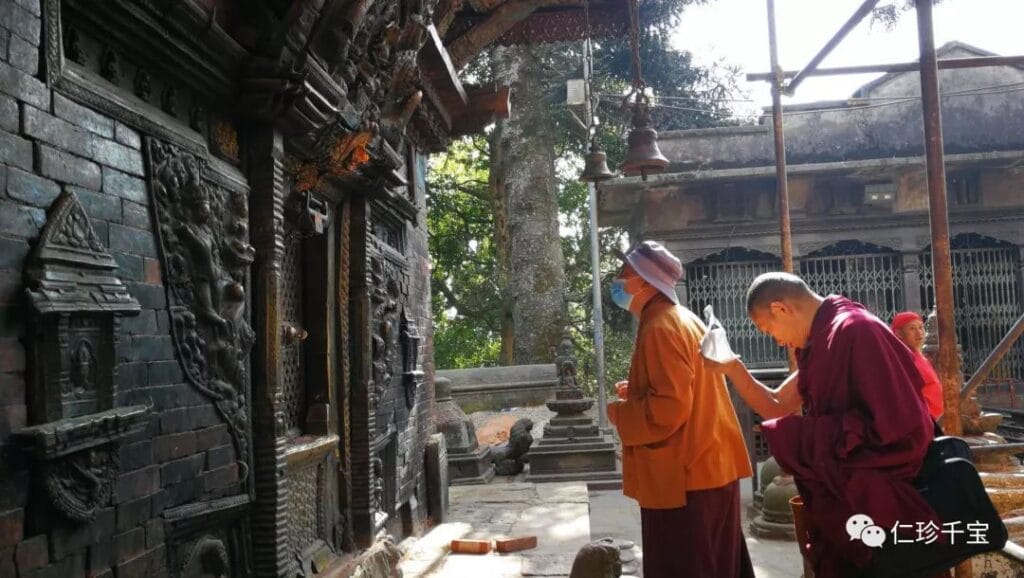
滑动查看下一张图片
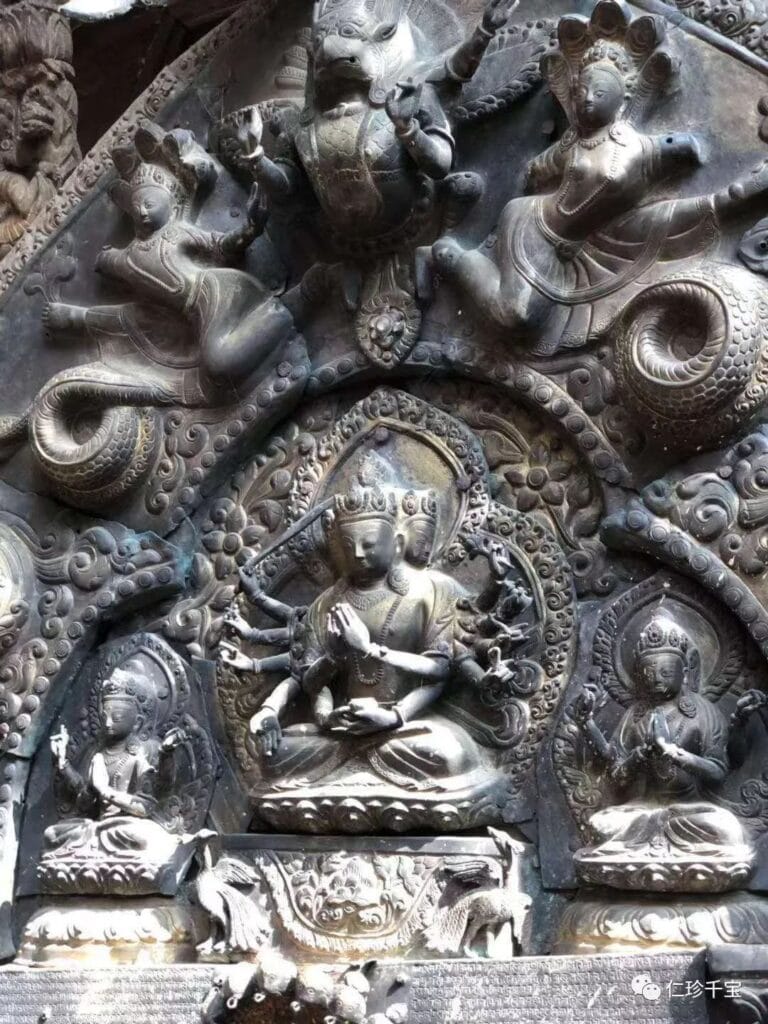
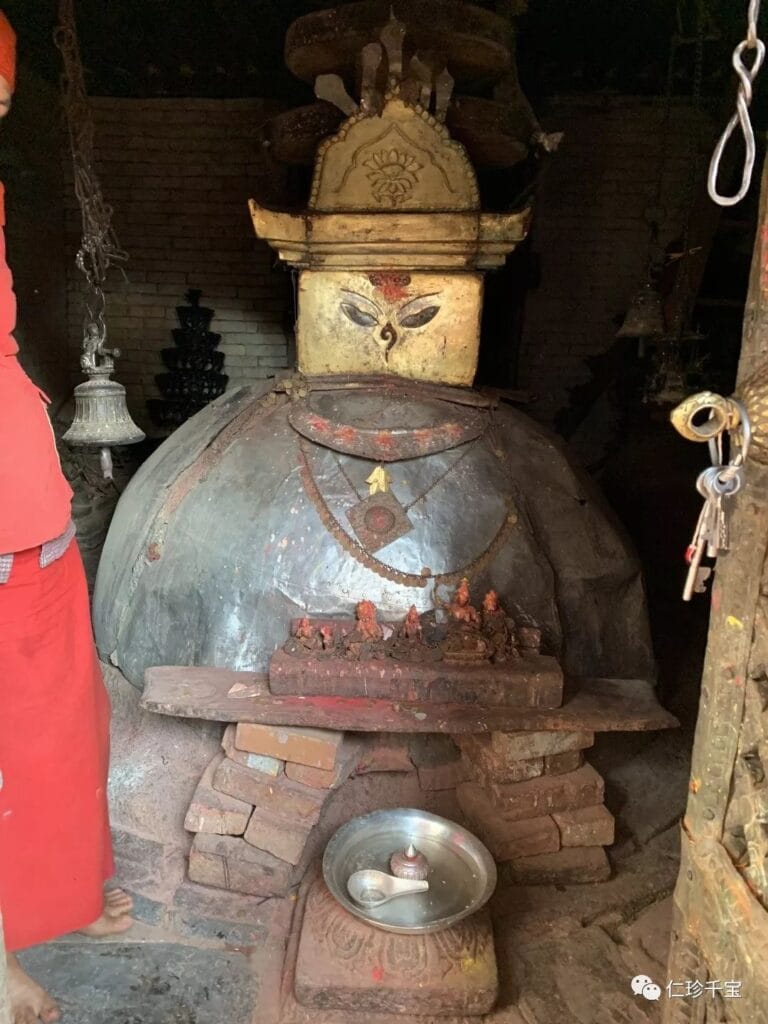
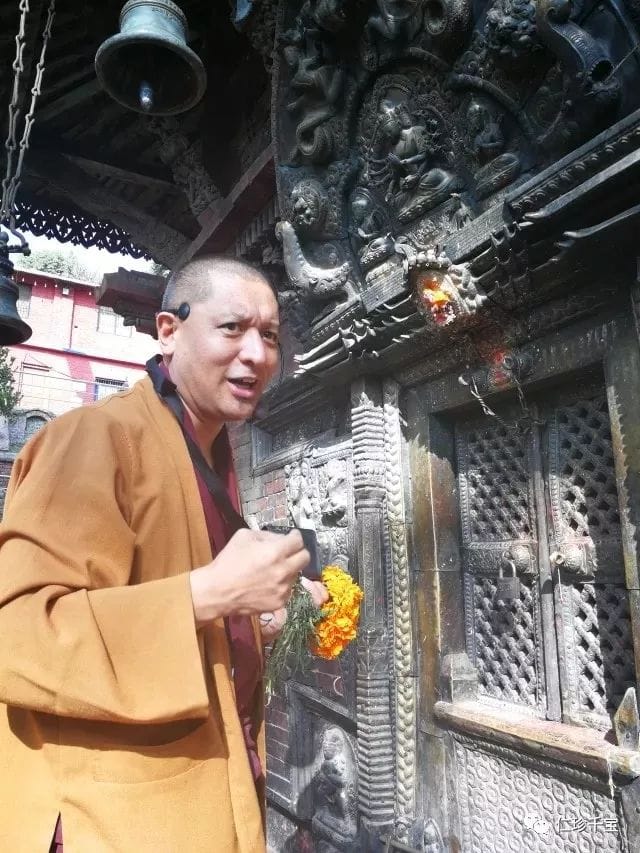
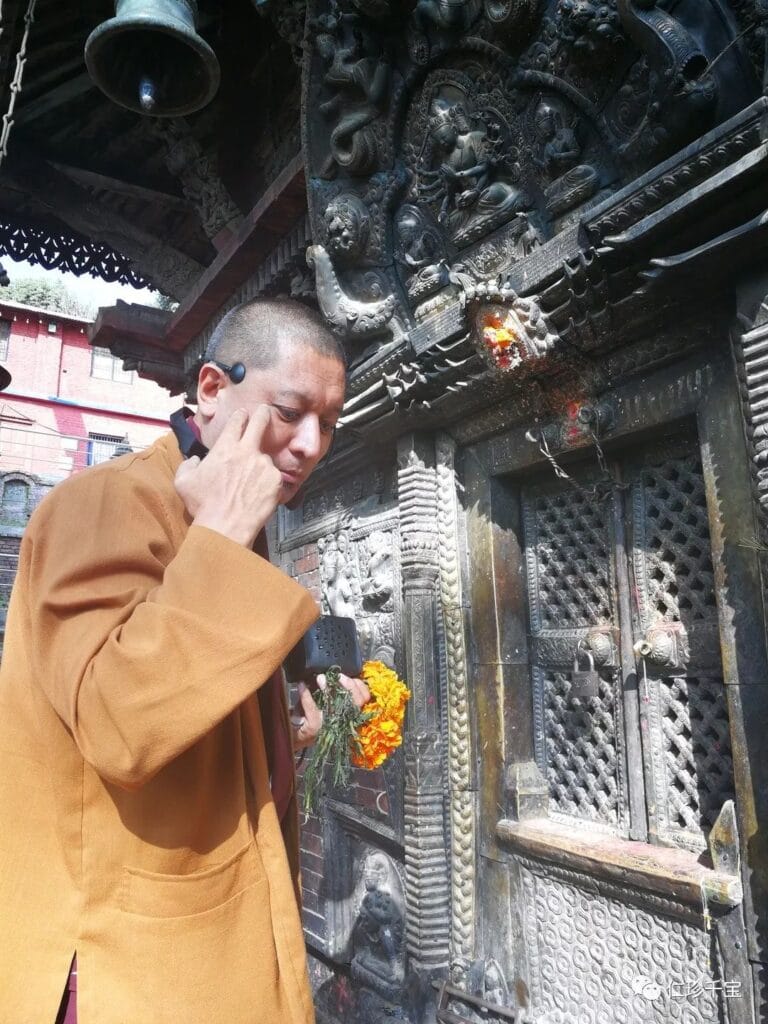
金刚亥母的旁边是“自生佛塔殿”,由于塔自然长大,把原来盖住的塔身撑破。有说释迦牟尼佛的前世舍身喂虎的遗骨,一部分供在舍身喂虎塔,一部分就供在这里;还有说我们之前去的猴庙那里的自生塔是这个。门上方是《文殊真实名经》里面的各种文殊相。
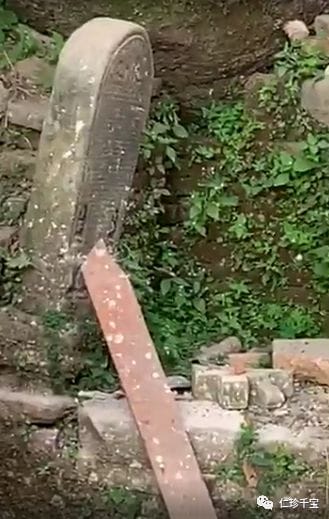
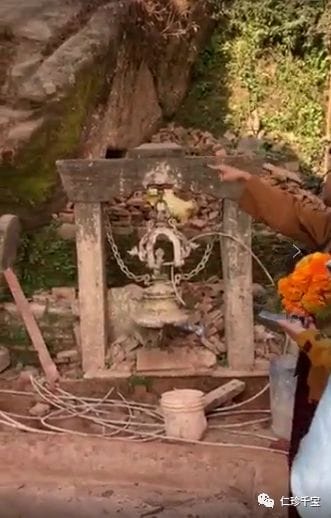
To the left of the Vajravarahi statue in Sangu lies a cave, which was damaged in the 2015 Nepal earthquake and is now sealed off.
This seemingly unremarkable cave was historically an extremely important and sacred site. It is mentioned on the stone tablet standing there and in the biography of Naropa. Naropa, Tilopa, and Marpa all practiced Vajravarahi meditation in this cave. It was once a must-visit place for Tibetan pilgrims. The Venerable Master also completed a retreat here 26 years ago.
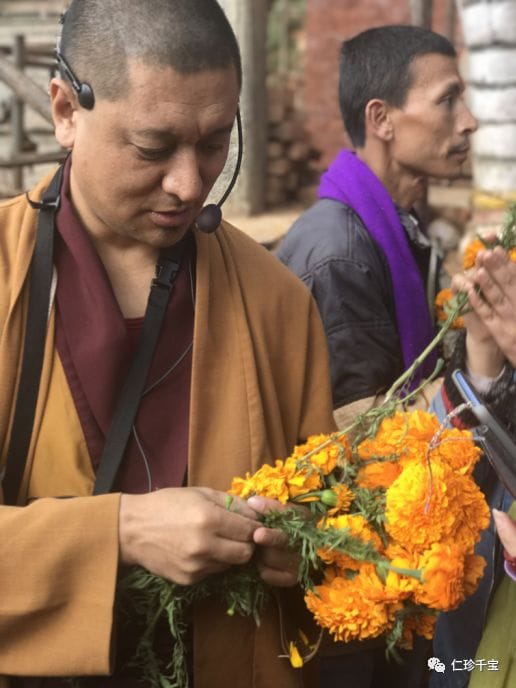
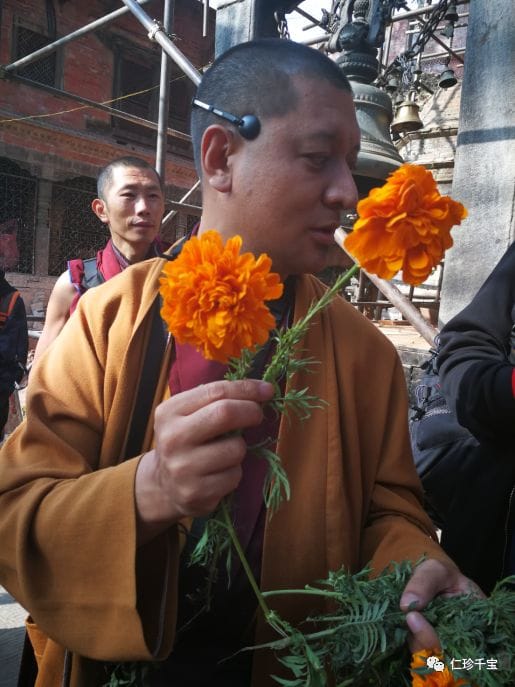
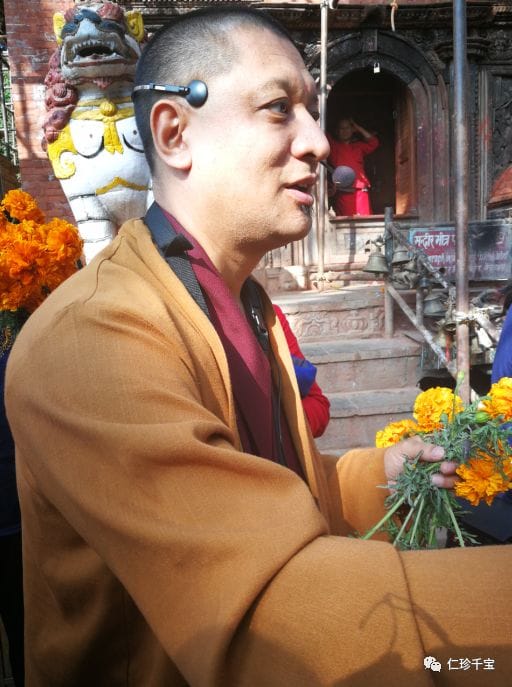
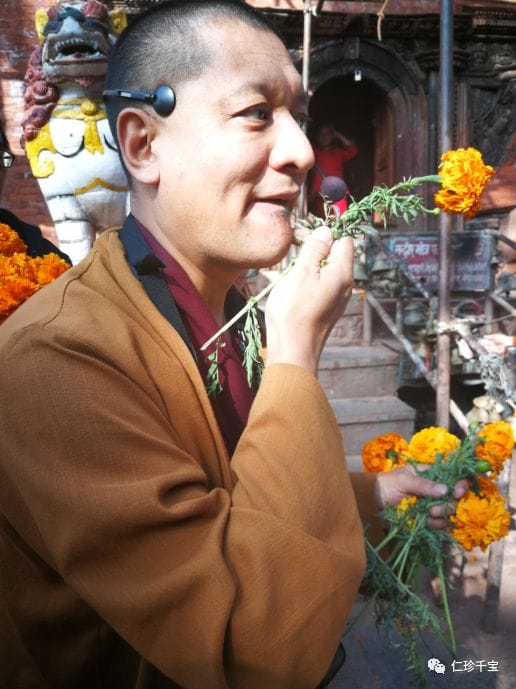
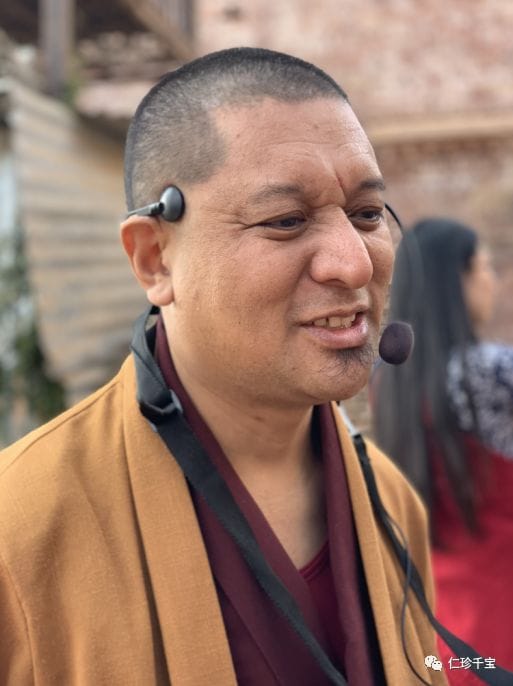
The four Vajravarahi sites visited on this pilgrimage are all sacred sites for practicing the Mother Tantra. Although some of these precious historical sites in Nepal are now devastated due to past earthquakes and other reasons, a sight that evokes a deep sense of sorrow, the spirit of the great masters remains, and the treasures of the Dharma endure. May all those with the affinity possess faith and a pure mind in the lineage and the Dharma, directly perceive the pure, primordial clarity, attain the non-dual wisdom of bliss and emptiness, and achieve the supreme fruition. Amitabha!