May the Great Pagoda inherit the succession
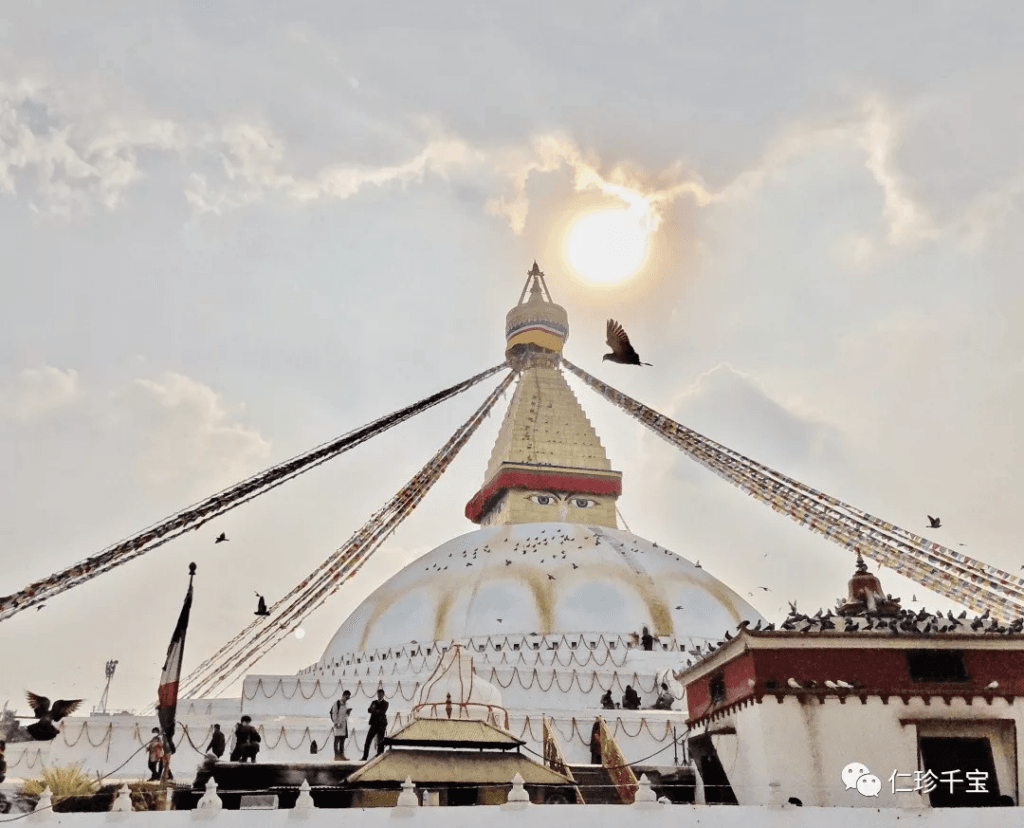
The Nepal Bodhana Great Stupa, also known as the Great Stupa of Full Wishes, is a must-visit place in Nepal, the largest round stupa in the world, with a history of more than 1,500 years, and was listed as a World Heritage Site in 1979. The Great Pagoda of Full Wishes attracted countless devout people to worship because everything they asked in front of the pagoda could be granted.
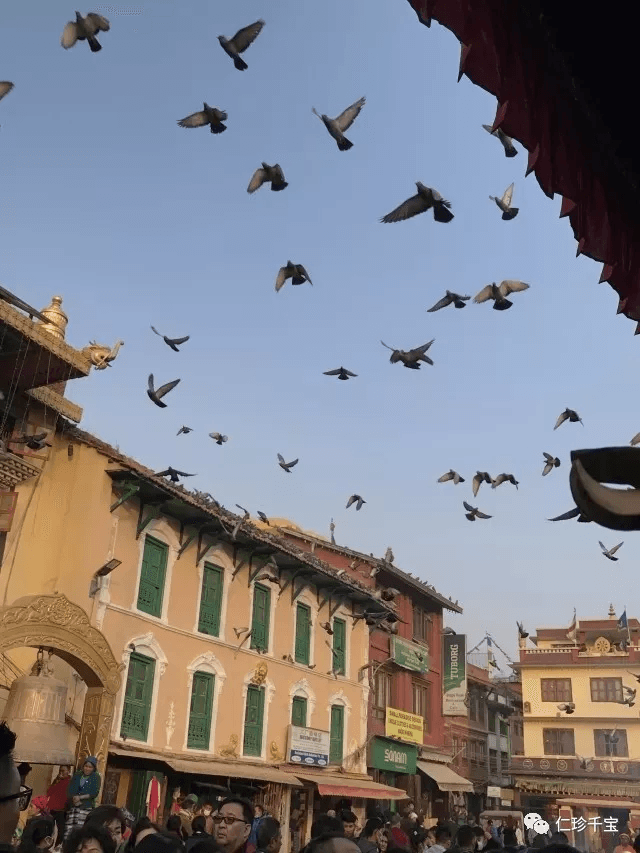
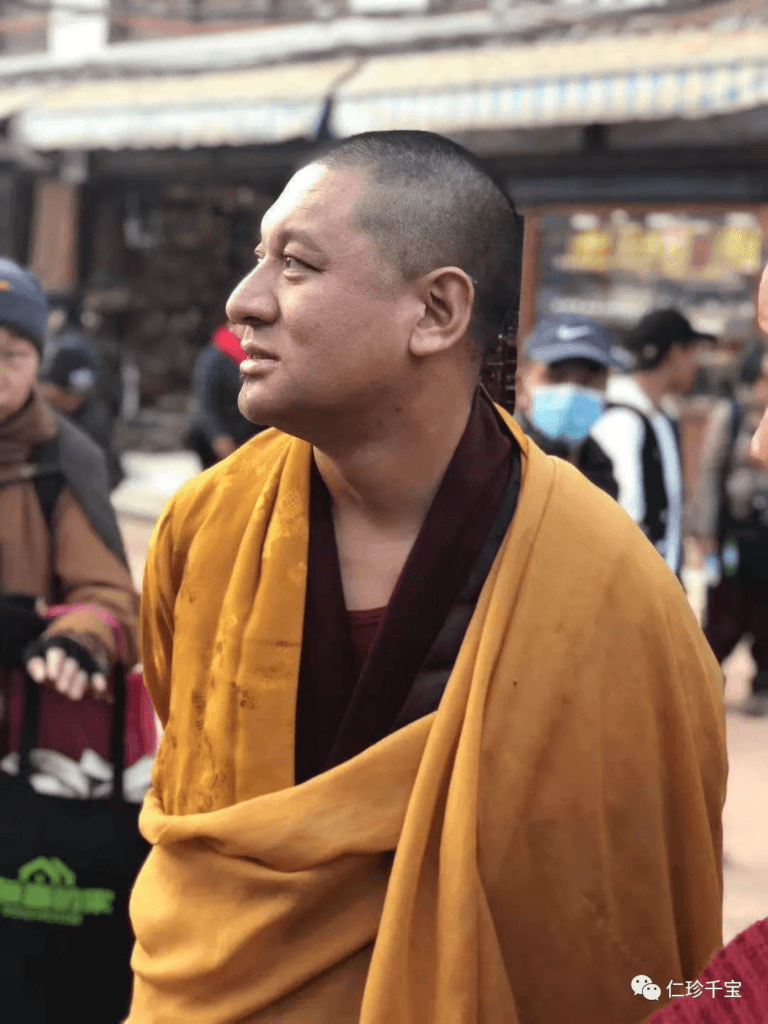
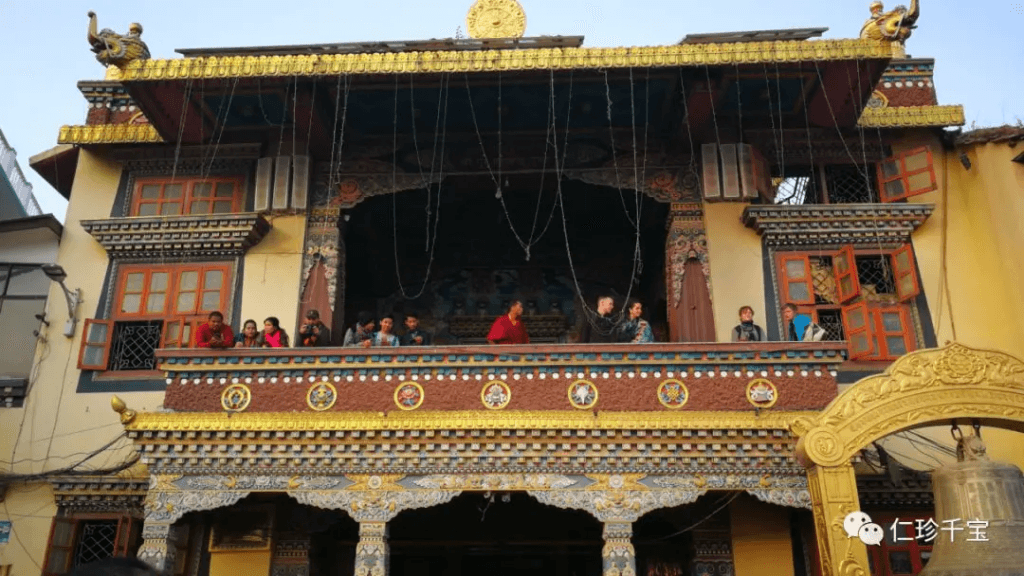
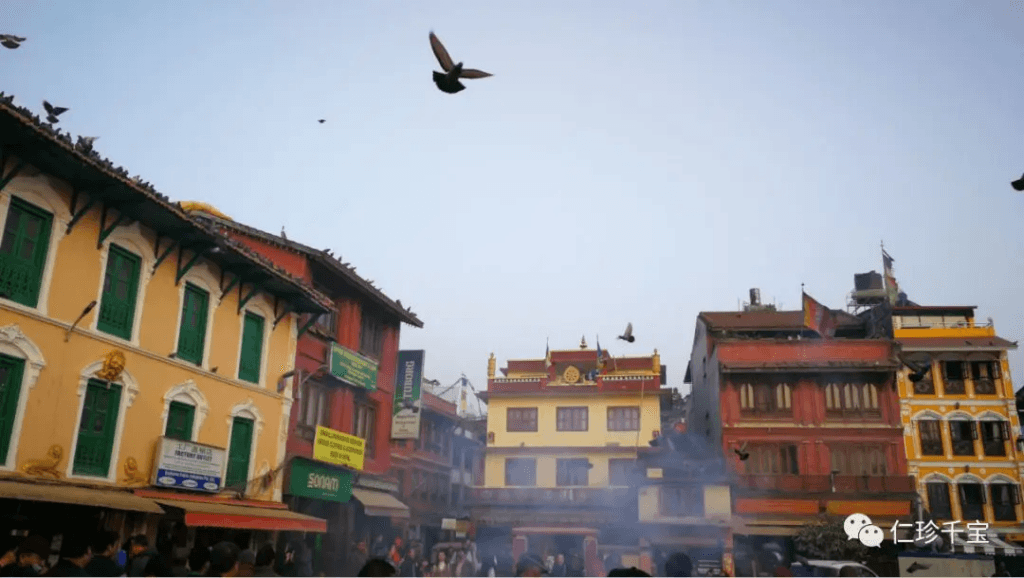
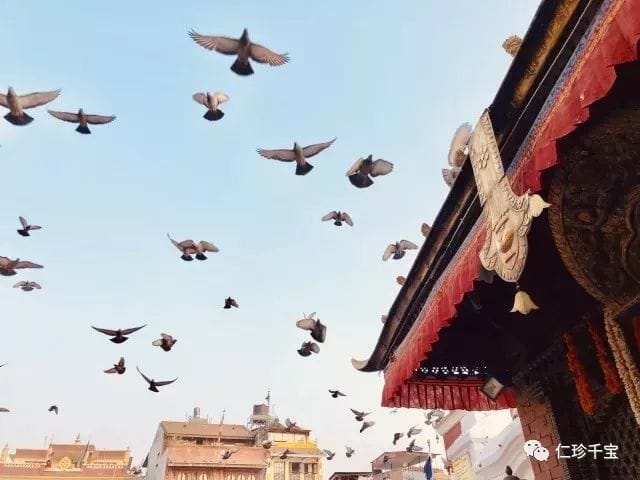
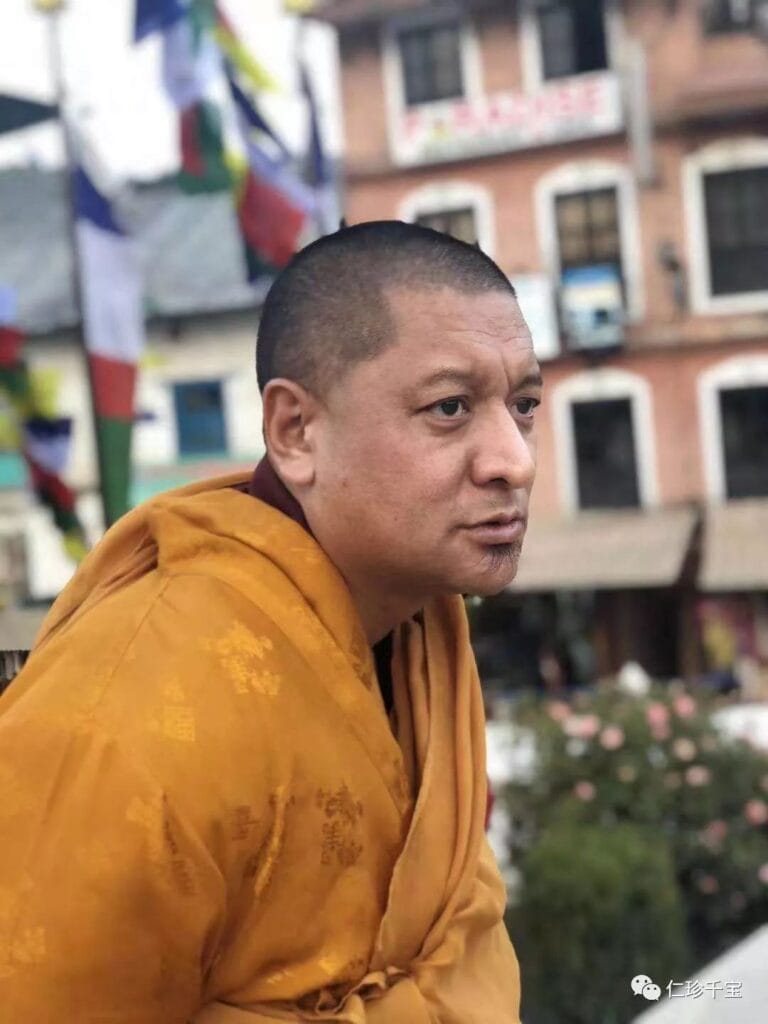
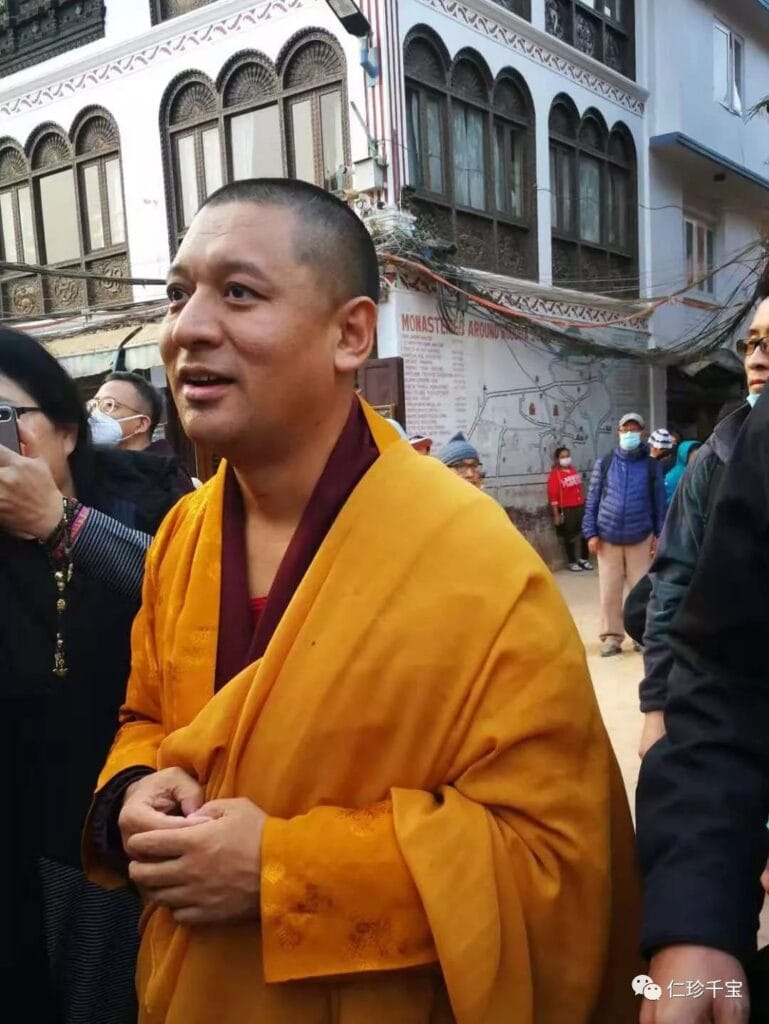
For the disciples of Master Bao, the great stupa is not only superior to this, but also its history is closely related to our heritage. The Great Stupa was originally built by Master Lotus in his previous life, built by his brother, and presided over by the second generation of Master Bao, who was rebuilt on a large scale.
The disciples worshipped the Great Stupa under the leadership of Guru Bao, corresponding to the patriarch and the Dharma, showing their bright nature.
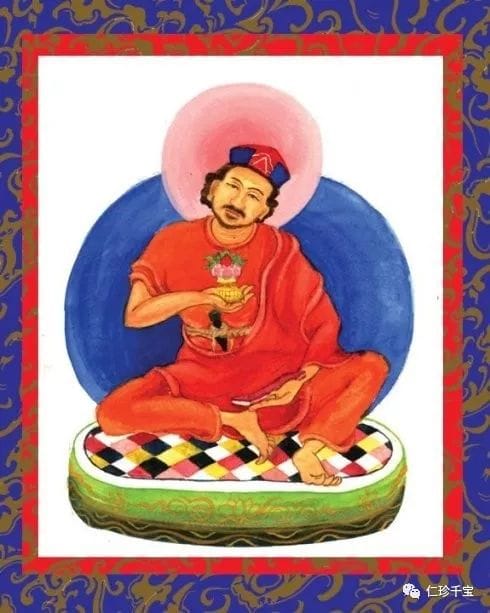
Ren Zhen Tsaiwang Nobu was the Great Fu Tibetan Master (1698-1755), widely known to the Nyingma, Kagyu and Juenang schools of Tibetan Buddhism, and was the guru of many great achievers, including the 13th Karmapa, the 10th Shamapa, the 8th Grand Situ (Tai Sidu) Rinpoche, and the 9th Pavor Rinpoche.
When the 57-year-old Great Black Walker changed the day (May 12, the Year of the Wooden Dog), all the believers saw the standing Tara (standing Green Tara) appearing in the void in the rainbow curtain of the sun, and did everything for him to achieve Tara’s empowerment; His Holiness saw the Sanskrit continuation of Tara and the ritual of attainment in Sanskrit, and immediately wrote this extraordinary method in the natural Great Shidha forest next to the Charongkashu Bodhi Pagoda. Later, the original Sanskrit manuscript of this ritual was collected in a ruined stupa in Nepal, and he achieved success by practicing according to it.
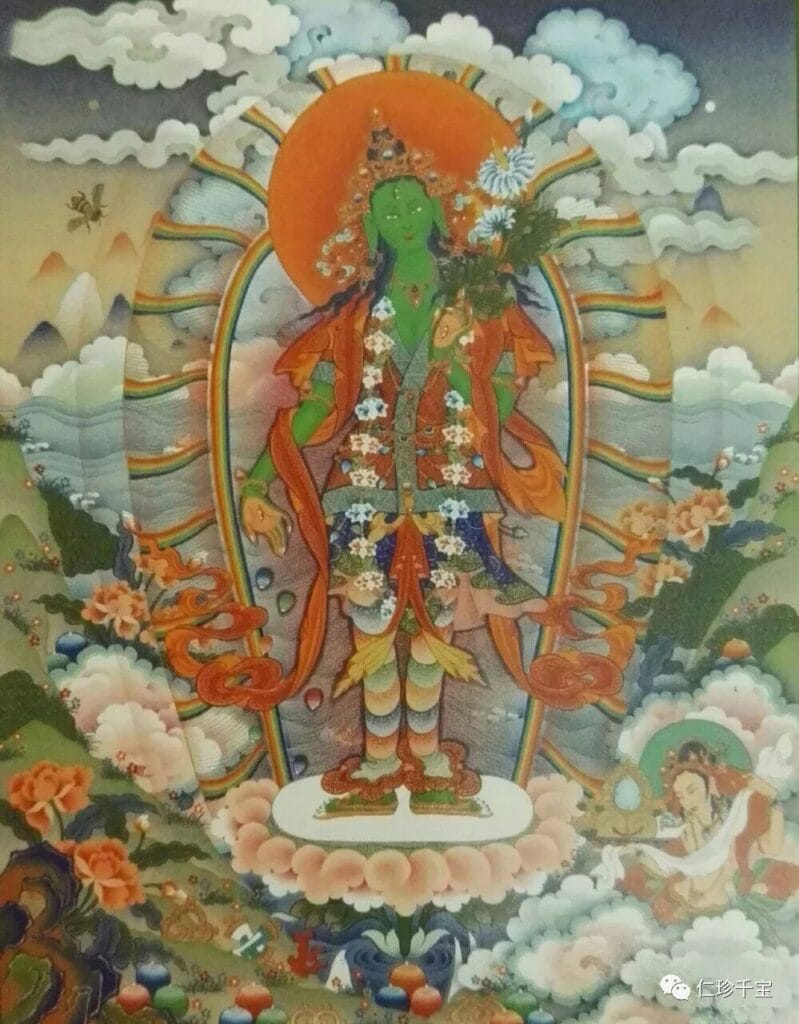
Renzhen Cai Wangnuobu has seen Tara achieve Tara five times, once when he was 32 years old to mediate the border war between Nepal and Tibet; One was when the Year of the Earth Dragon was repairing the monkey tower in Nepal; One was the Tibetan coup d’état in the Year of the Heavenly Horse (Year of the Golden Horse) (also recorded in the history of the Qing Dynasty), when he was misunderstood as anti-government and was about to be arrested; once on his way to Nepal to reconcile the Ladakh War; The fifth time is when the Manyuan Pagoda is rebuilt.
When there are problems in lifespan, career, wisdom and other aspects, practicing this method can remove obstacles, increase merit, and complete the four causes of breathing, increasing, embracing and killing in one place. Whether it is the worldly law or the worldly law of non-common liberation, it is a method of achieving great achievement that is blessed quickly and incredibly.
Please ask the believers who are destined to ask Guru Bao for help, and ask these things to achieve Tara empowerment and oral transmission. May it be auspicious!
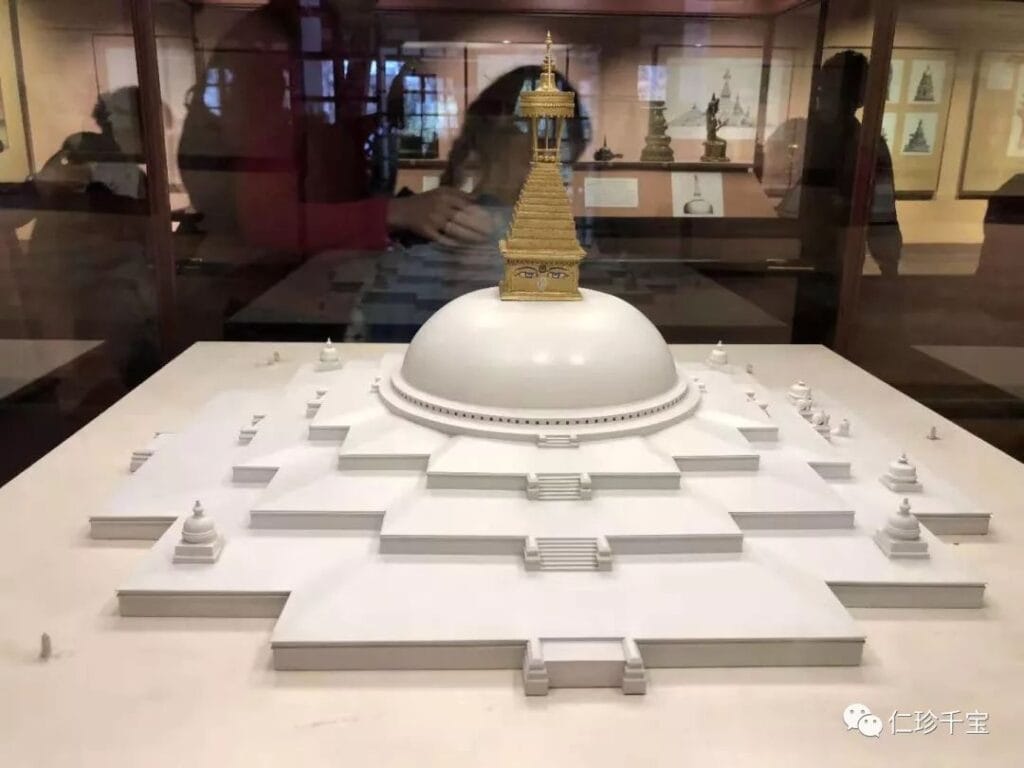
This is the model of the Great Pagoda of Full Wishes
There are four small pagodas at the four corners of the Great Pagoda, one of which is the memorial tower of Renzhen Cai Wangnobu, which contains the ashes and relics of Renzhen Cai Wangnobu. However, historical records are unknown and the exact location is unknown.
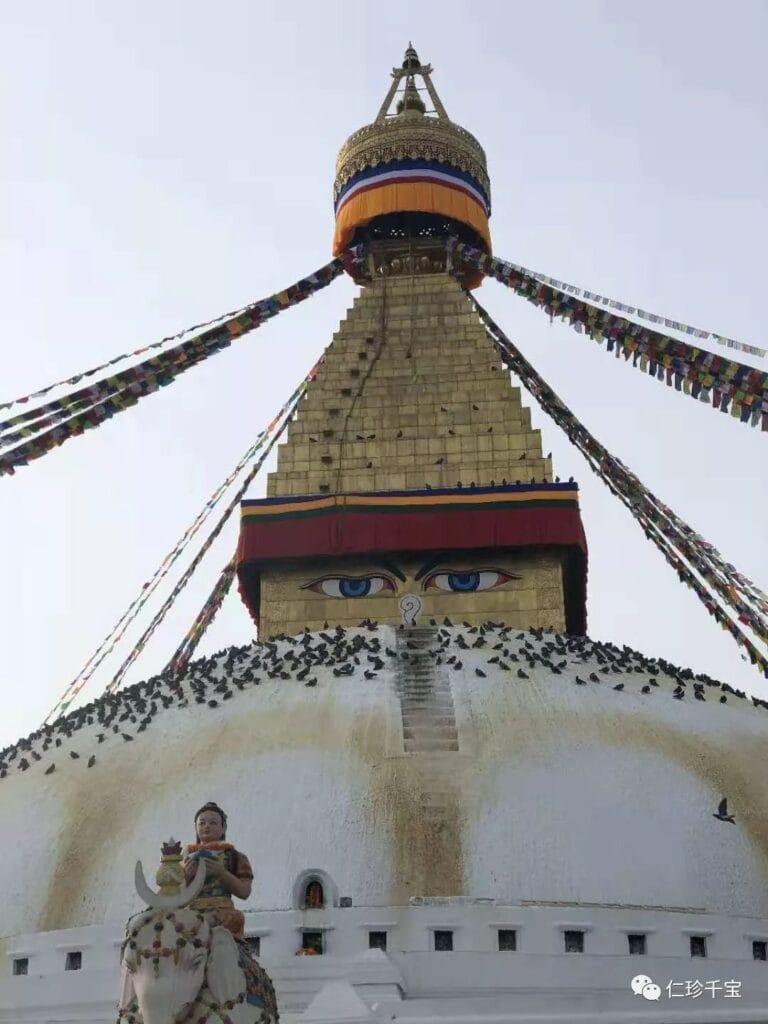
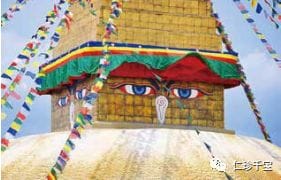
The current building of the Manyuan Pagoda basically retains its original appearance at that time, but the upper part of the tower has changed. The upper part of the eye has thirteen layers, also known as the thirteen Dharma wheels, and the thirteen Dharma wheels represent the thirteen places. Bodhisattvas have ten grounds, because bodhisattvas have ten kinds of meditation; The Buddha has thirteen places, because the meditation of the ten places is different, and it can be divided into thirteen and sixteen places.
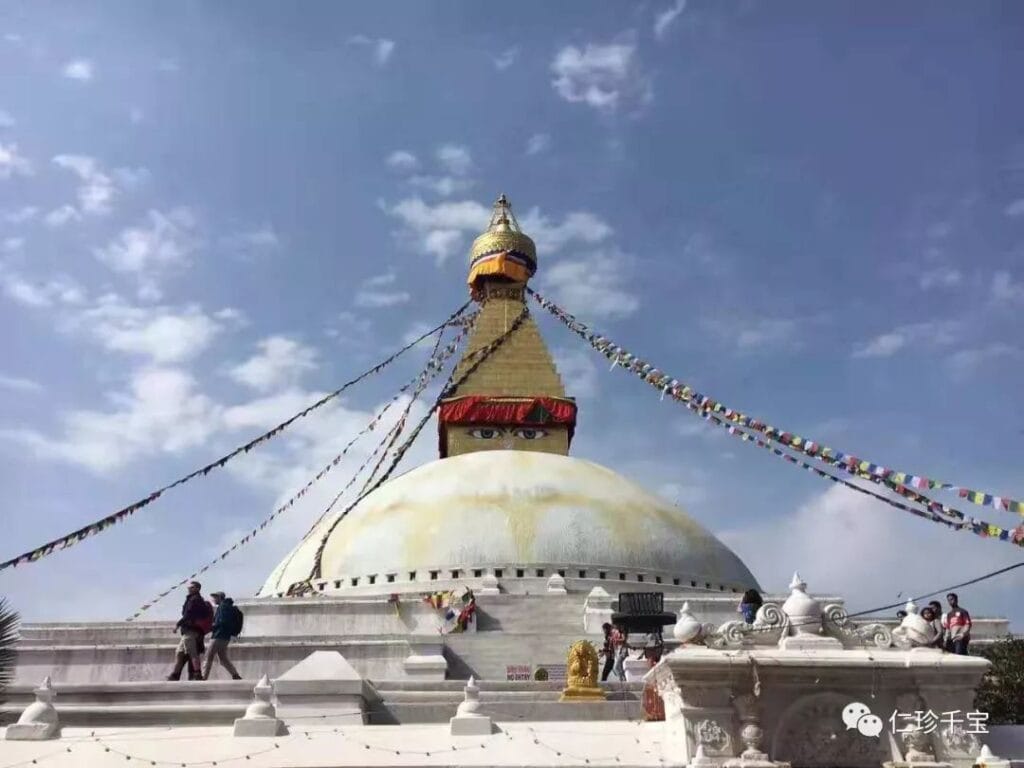
The tower is divided into five parts from the base to the spire, symbolizing the five elements of heaven, earth, water, fire, and wind, and the four sides of the main tower are painted in three colors: red, white and blue. The Buddha’s eye symbolizes the Buddha’s omnipresent attention to sentient beings, and the third pair of eyes in the center of the eyebrow represents the supreme wisdom of the Buddha.
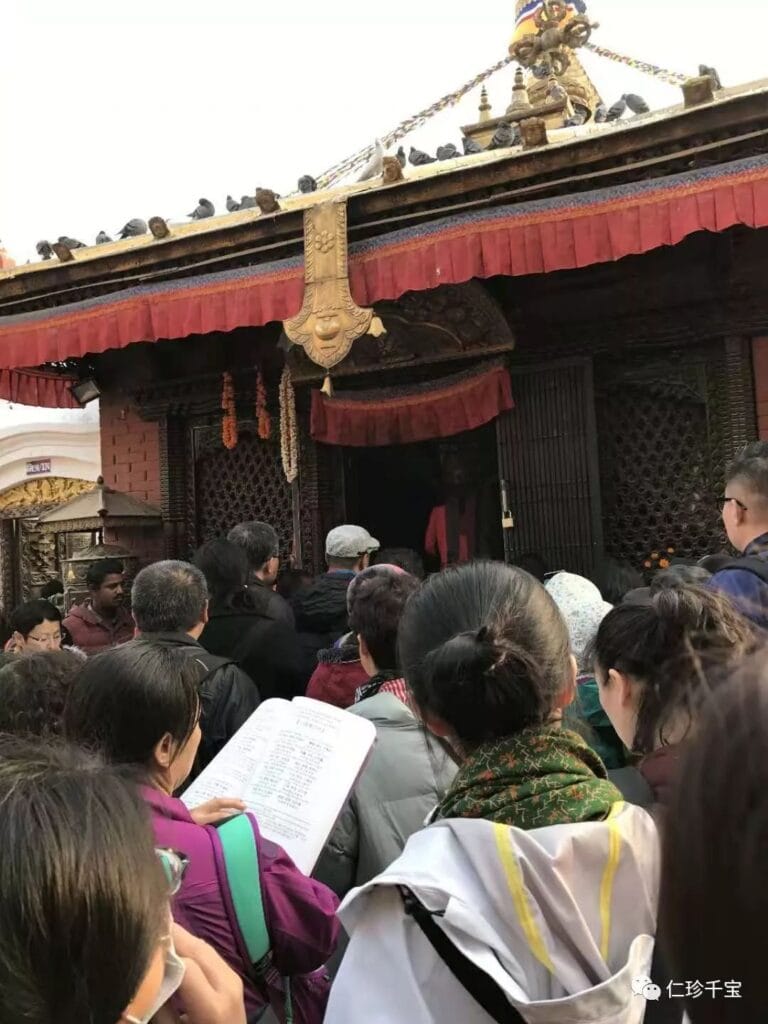
The nose under the Buddha’s eyes is represented by the number “one” in Nepali, which means the equality of all living beings. The public went around the pagoda under the leadership of Guru Bao to chant mantras and pray for blessings.
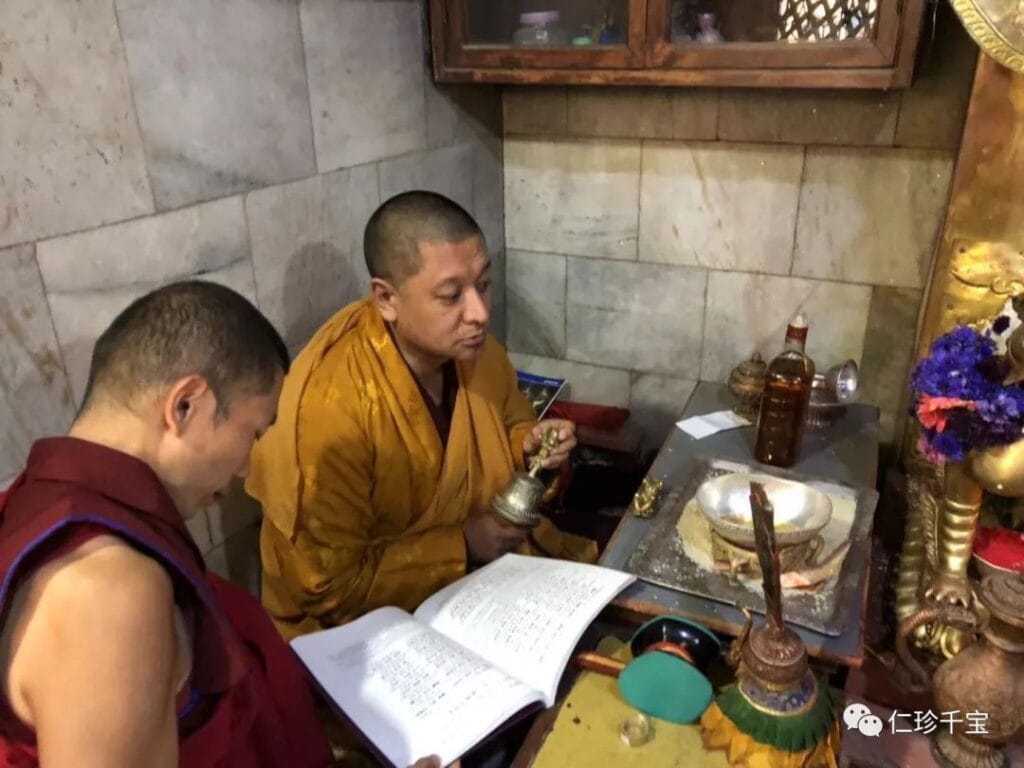
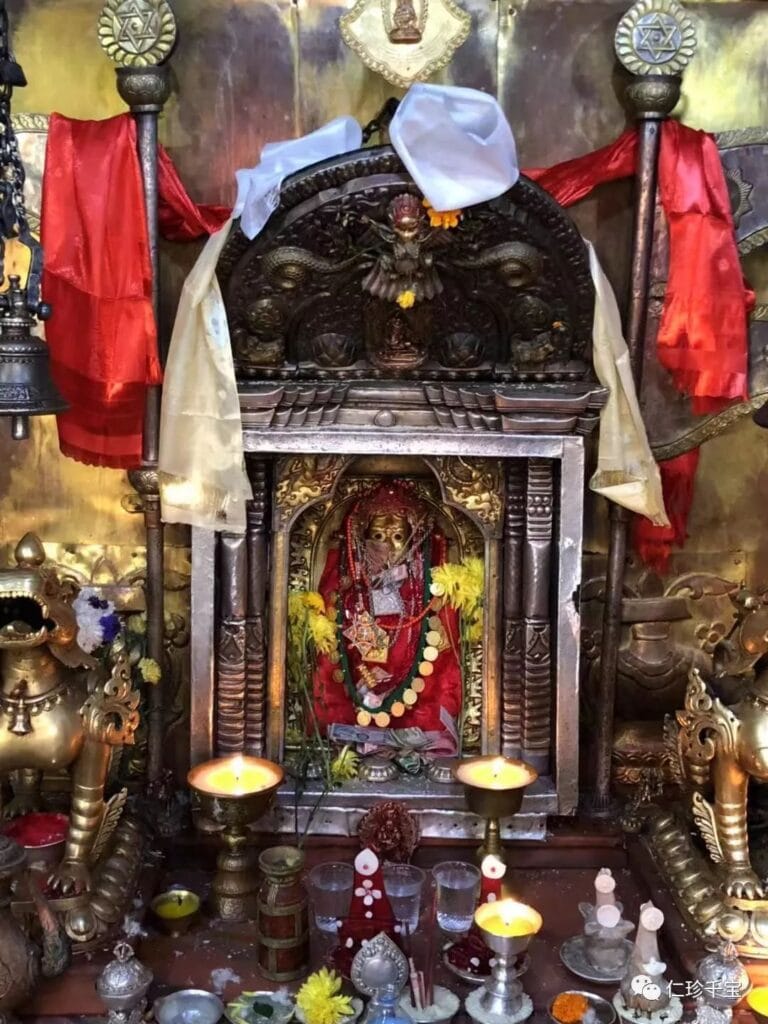
The Dharma Protector Hall under the Great Pagoda is dedicated to the mother of Master Lotus in her past life, the “Chicken Girl”. The Great Stupa was built by Master Lian’s mother in his previous life and the king’s land, and after his mother passed away in his previous life, it was built by her four sons. Master Lian’s mother had four sons, one was Master Lian, one was Trisong Dezan, one was Master Jihu, and one was a minister in Tibet.
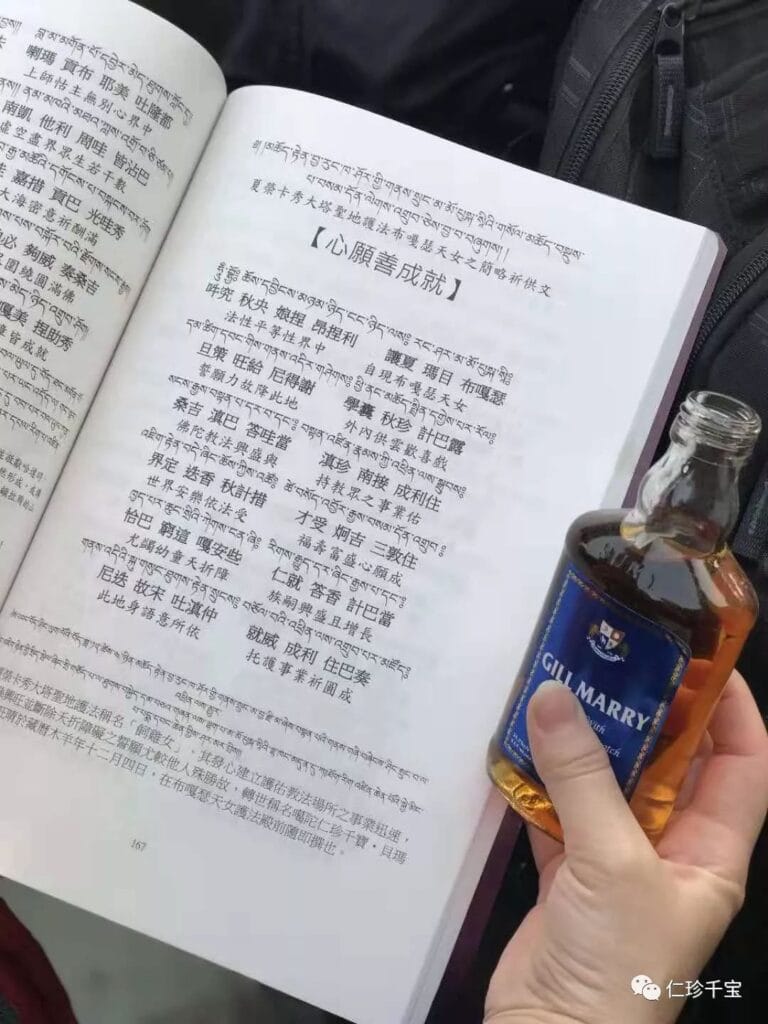
Guru Bao led the disciples to meditate together in the Dharma Protector Hall, and the brief prayer of the Dharma Protector of the Great Pagoda Holy Land “Wish for Good Fulfillment” was written by Guru Bao.
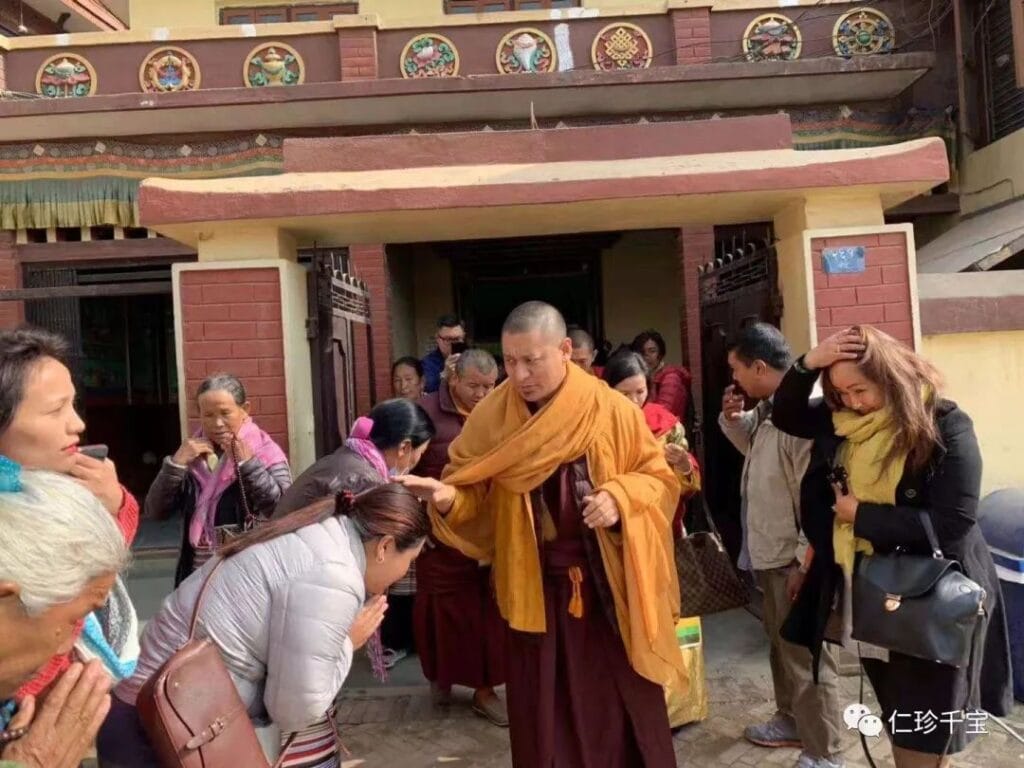
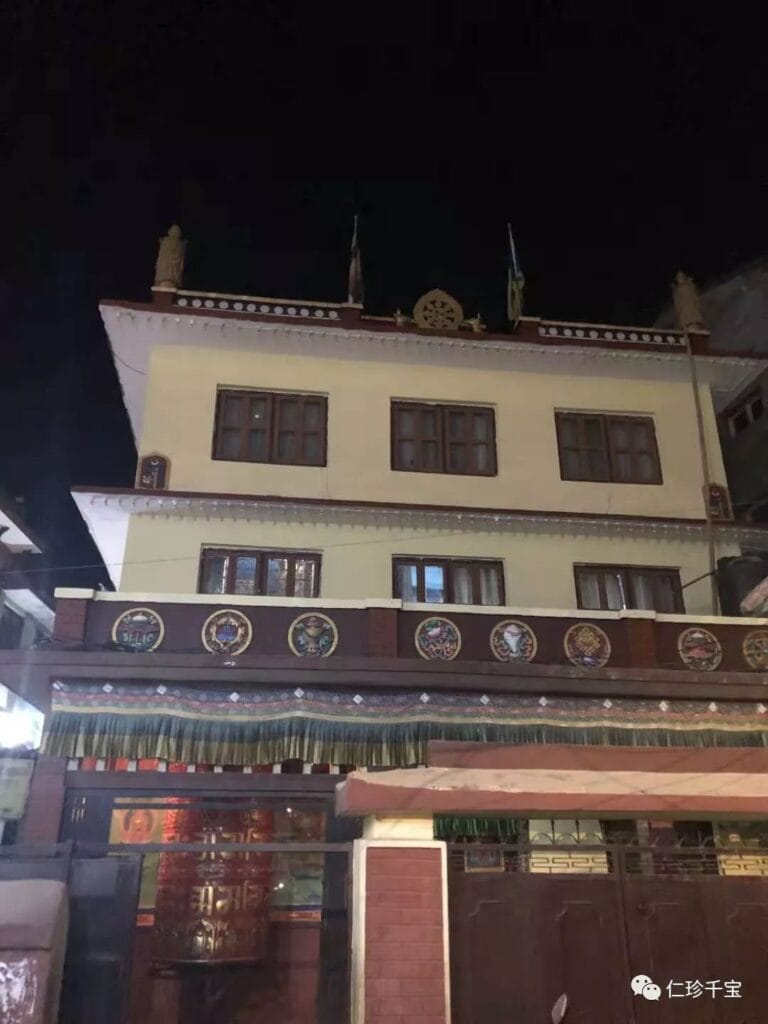
In the afternoon, practice at the Dashang Living Buddha Temple in Karma Kagyu. Although the temple is small, this temple is extraordinary, and many great Rinpoches have taught the Dharma in this temple. The largest Dharma transmitted by Dingguo Khyentse Rinpoche, the oral transmission of the Tripitaka, is here. There are also His Holiness King Beno and the Sixteenth Great Treasure King who have also taught the Dharma here.
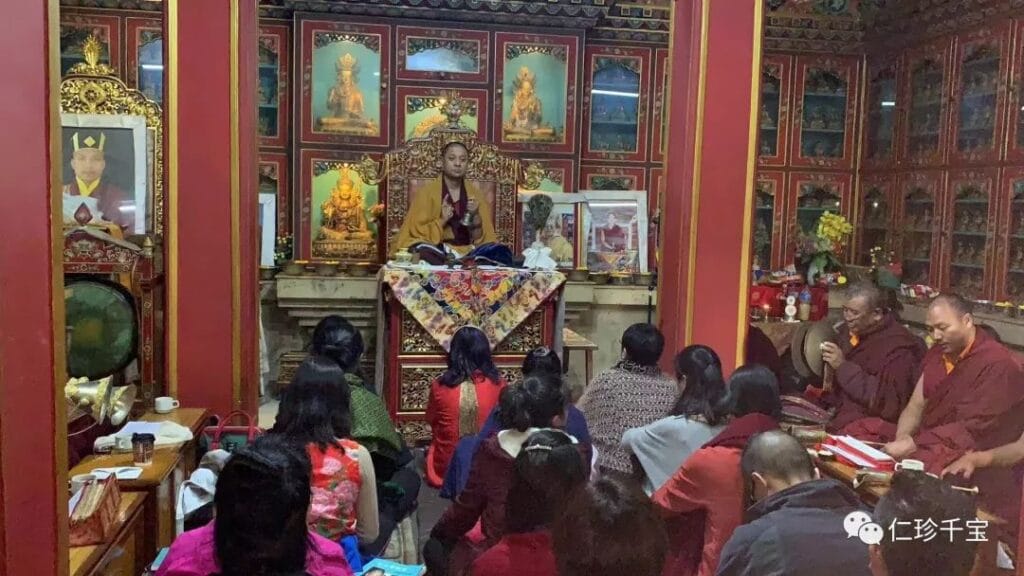
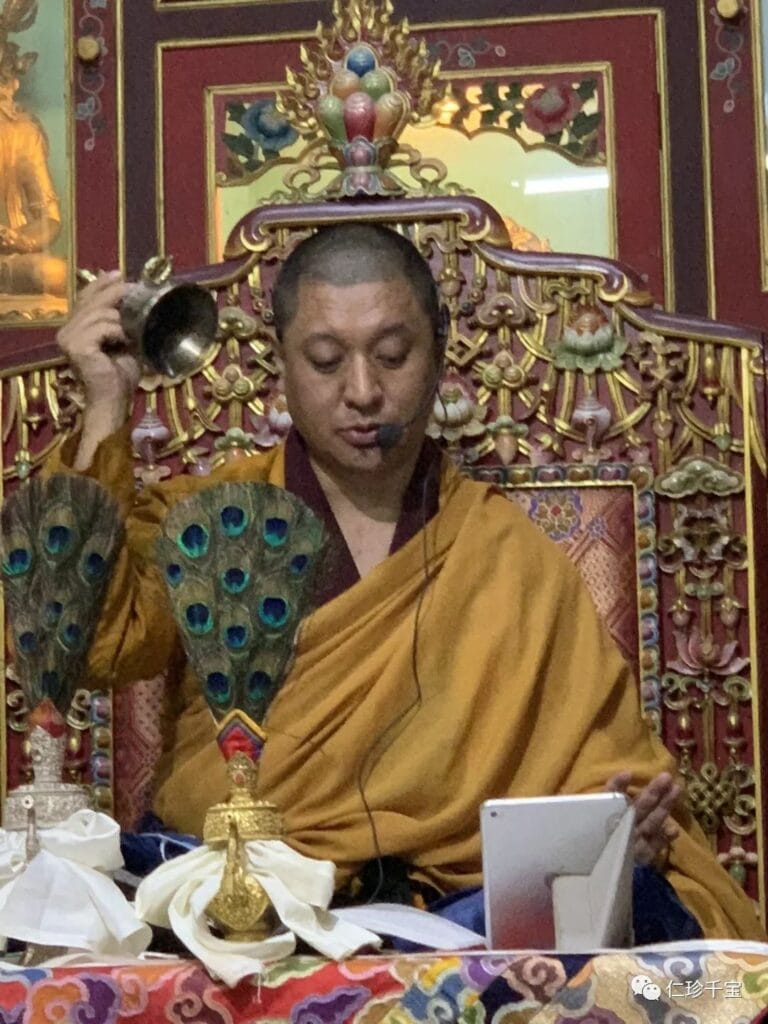
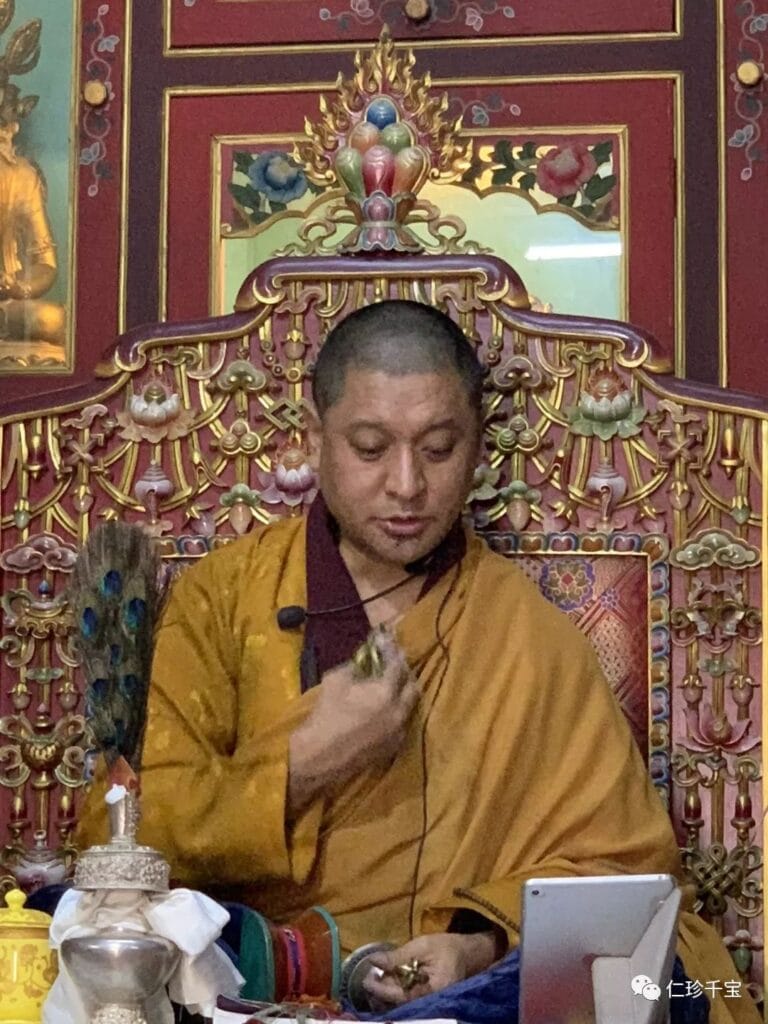
At the Dashang Living Buddha Temple, Guru Bao gave the disciples the empowerment of the thirteen deities of the lotus master and the empowerment of Tara who achieved all things, and made offerings with the monks. Guru Bao taught that this is a holy place with blessings, and everyone should maintain a pure state of body, mouth, and mind, develop bodhichitta for all sentient beings, and practice the Dharma with a pure mind, repentance, and piety.
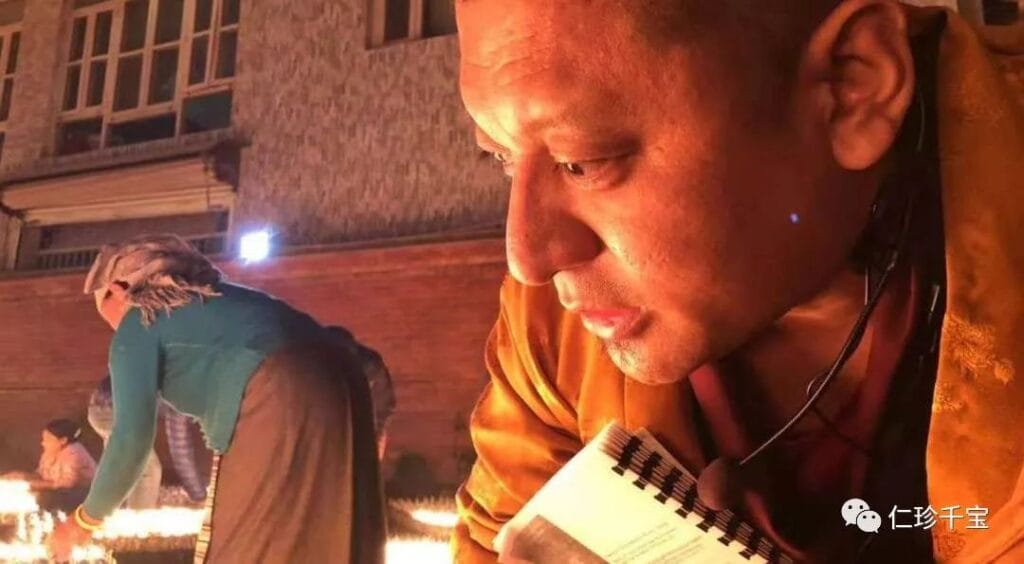
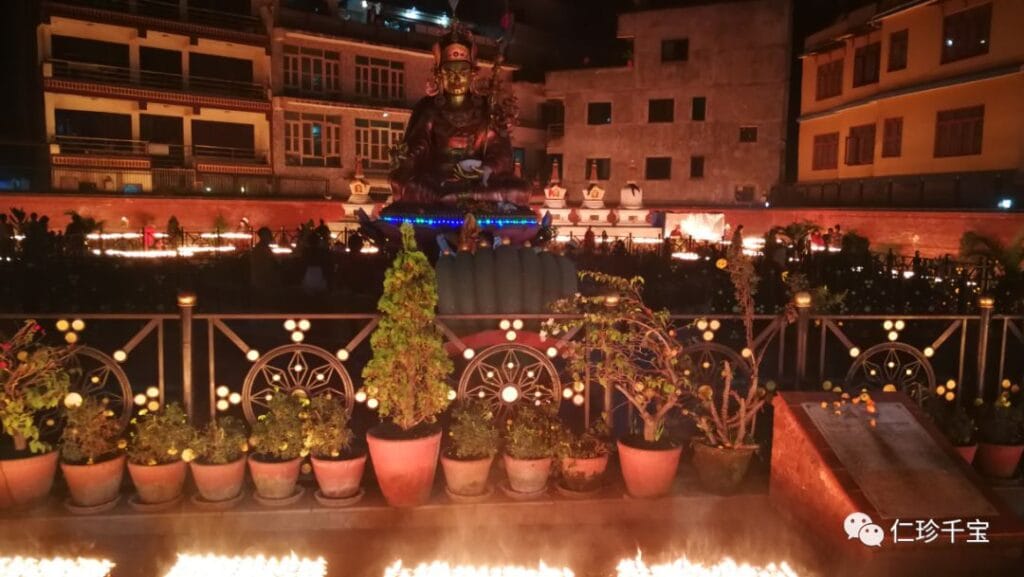
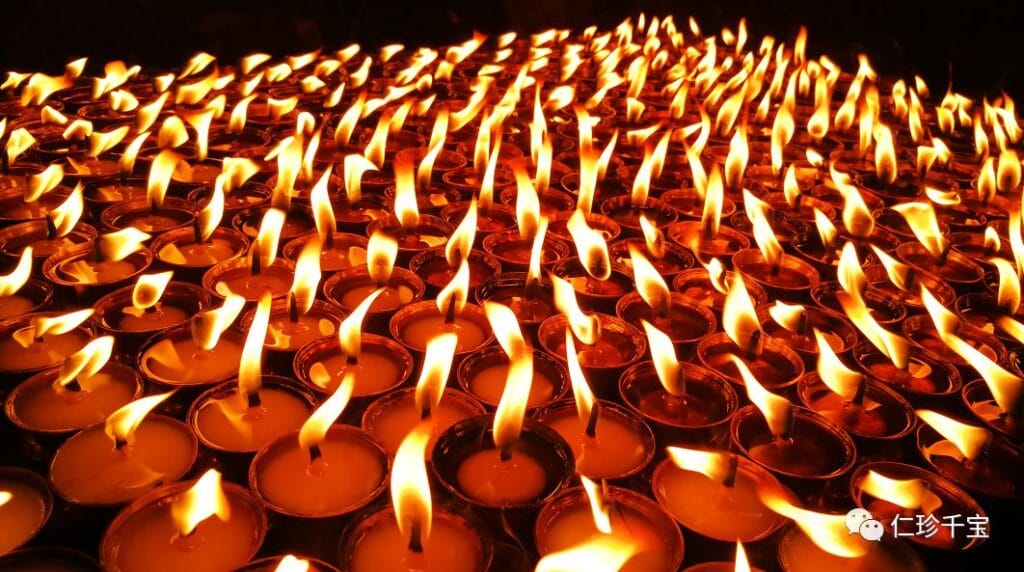
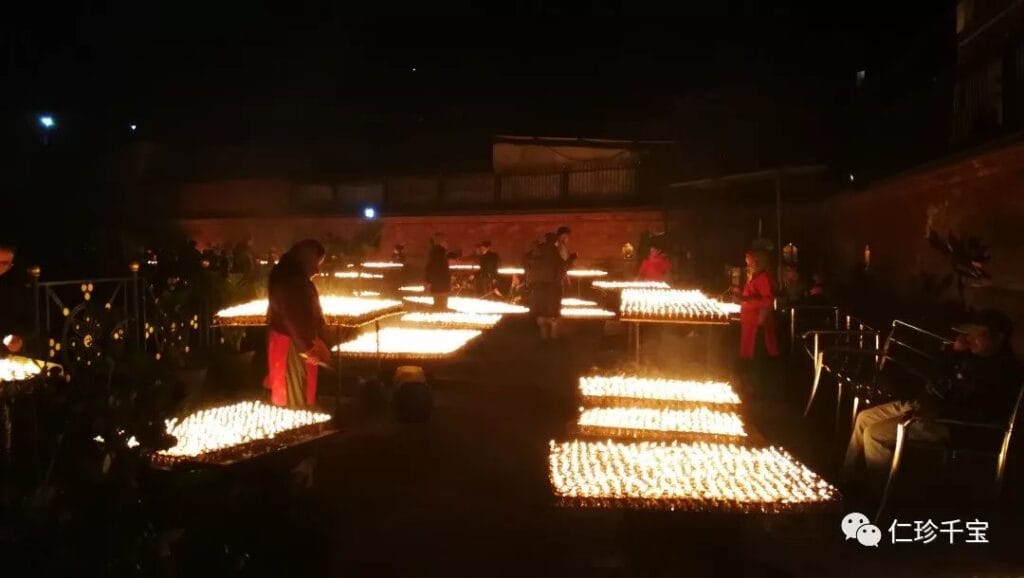
In the evening, Guru Bao led the disciples to light the lights in the Great Pagoda Park, which is next to the Manyuan Pagoda. In the past, this was the Great Shituo Forest, and there was a spring water, but now the spring water has dried up. Each of the eight great corpses will have spring water, which is also a metaphor for the eight merit waters, representing the bodhicitta and pure mind in the heart. We light 50,000 lamps here to pray for world peace and to pray for the early elimination of ignorance.
Renzhen Cai Wangnobu’s lineage prayer summary
Hum Sode
Universal Virtue Drinking Blood Venerable and the Warrior Victory Vajra I pray
The rare person of the main branch of the teaching method prays to the Buddha’s son, Shantideva Bodhisattva
The banned game dance is strictly prayed for the great achievements of the black walkers
Reach the most victorious mudra and hold the bright land and pray for the Tibetan land to achieve the void and hide
Reach the five bright and powerful gods to pray for Rongsong Dharma sage Ban Zhida
The heart of the great circle is like the sun all over the Lord, praying for the unsullied light to shine everywhere
Attain the wisdom of the unusual and wise and pray to the supreme lord of salvation
Everything is not a karmic dance to fulfill the wishes of sentient beings with the power of vows
I pray to those who can be the cause of the great Buddha, longevity and freedom
The victors of the Vajra Guru with the three graces all praise the nature of the Buddhas
At this time, all the Vajras have always understood that the root guru should pray
Pray sincerely to the power of a virtuous guru without relying on countless bodhi paths
The fulfillment of the five paths and ten lands in a lifetime The great bodhi fruit wish is quickly obtained
In this life, there is no disease, increase wealth, gain great freedom, and do what you want, without diligence
Everything that can be done will enter the path of enlightenment, and all wishes will be in eternal peace and happiness
This vow is fulfilled by the Three Jewels General Assembly, and the guru bestows blessings