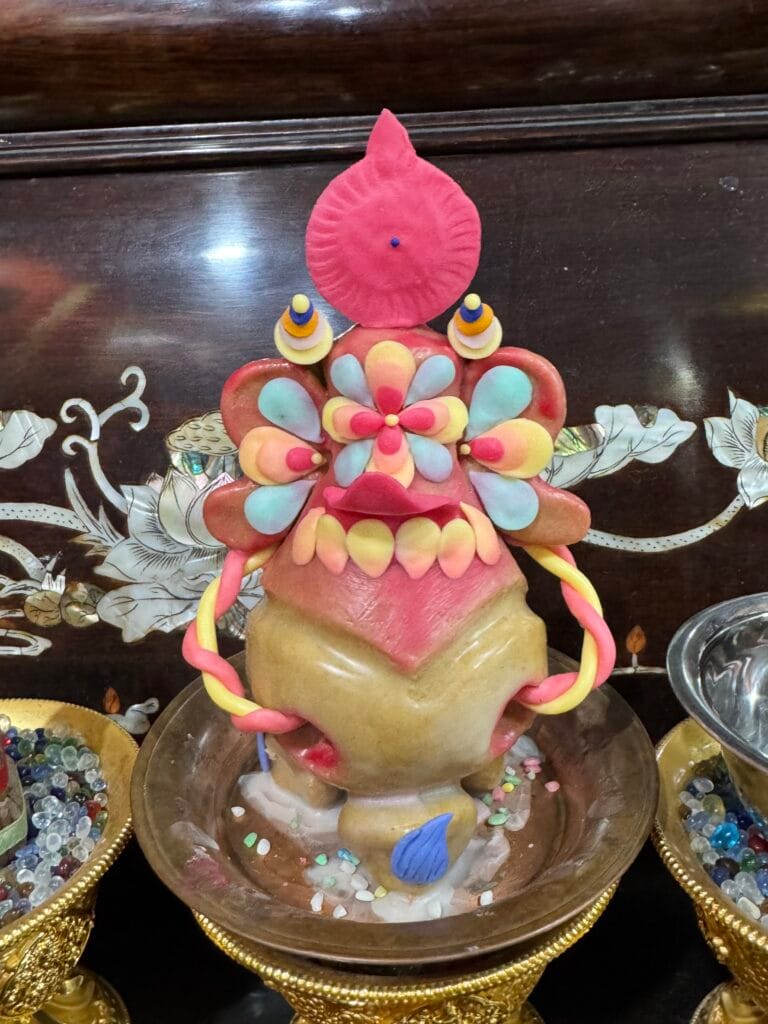
Doma
Dorma (Tibetan: གཏོར་མ།), also known as food, Dorma, Dorma, and sacrificial food, is a kind of dough food made of tsampa or cooked wheat flour and butter in Tibetan Buddhism, used to offer food to Buddha, Bodhisattva, deity or gods, or to feed ghosts. They are dyed in different colors, but the main body is generally white or red. They can be made into different shapes according to different uses, usually in a cone shape. Although Dorma is generally small and can be placed directly on a shrine or tray, large Dorma are also made during grand festivals. Its raw materials are mainly three white and three sweet (milk, cheese, ghee, rock sugar, honey). There will be slight changes in raw materials depending on different regions. For example, the ball-shaped food offered to gods in India should be the prototype of Dolma. Offerings to the main deities of the Care
The clothes of the Buddha and Bodhisattva are solemn
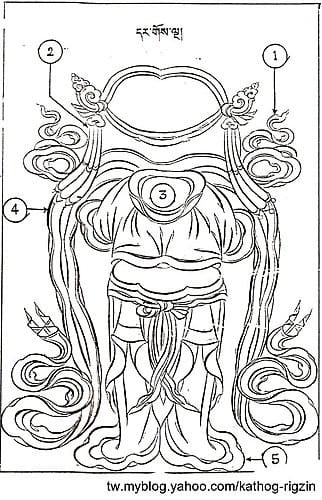
Tibetan Buddhism’s prudence and rigor on the inheritance of the Dharma are evident from the translation of the Tibetan scriptures, the academy system, and the practice of rituals. “The Thirteen Solemnities of the Buddha” It is divided into five satin robes and eight treasures [1] Silk satin five vestments 1. A streamer hanging behind a blue satin crown2. The crown hanging under the crown of the Buddha of the five directions3. White satin shoulder drapery with gold patterns(If you want to fully follow the rules for painting thangkas, you should draw an ornament called yin and yang mantle (armpit) from the armpit of the left shoulder to the armpit of the right shoulder.)4. From the cuffs of the jacket to the palms, the green satin draped down5. Inner skirts that cover the lower body, as well as various other lower skirts(According to the common Buddha painting method, the skirt is
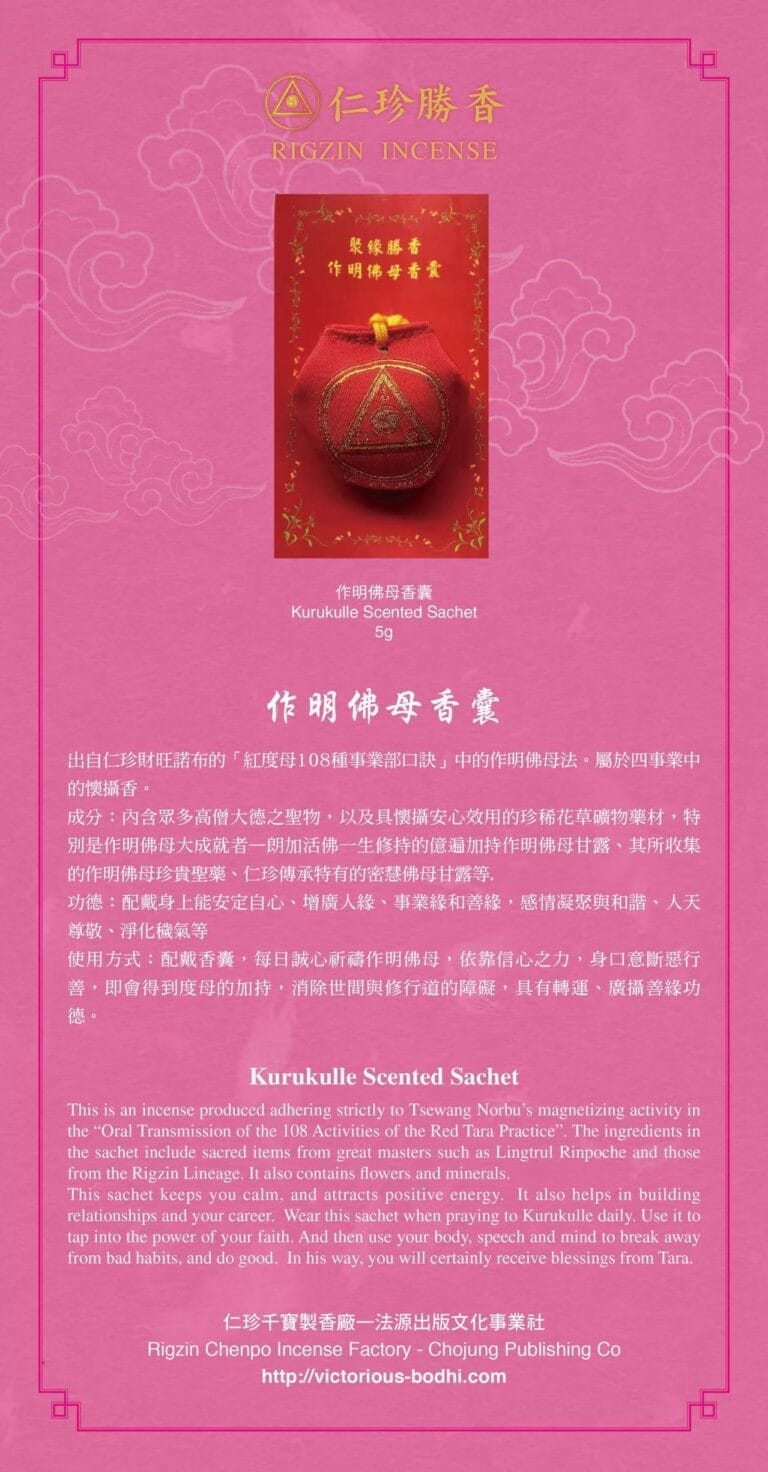
Kurukulle Scented Sachet
This is an incense produced adhering strictly to Tsewang Norbu’s magnetizing activity in the “Oral Transmission of the 108 Activities of the Red Tara Practice”. The ingredients in the sachet include sacred items from great masters such as Lingtrul Rinpoche and those from the Rigzin Lineage. It also contains flowers and minerals.This sachet keeps you calm, and attracts positive energy. It also helps in building relationships and your career. Wear this sachet when praying to Kurukulle daily. Use it to tap into the power of your faith. And then use your body, speech and mind to break away from bad habits, and do good. In his way, you will certainly receive blessings from Tara.
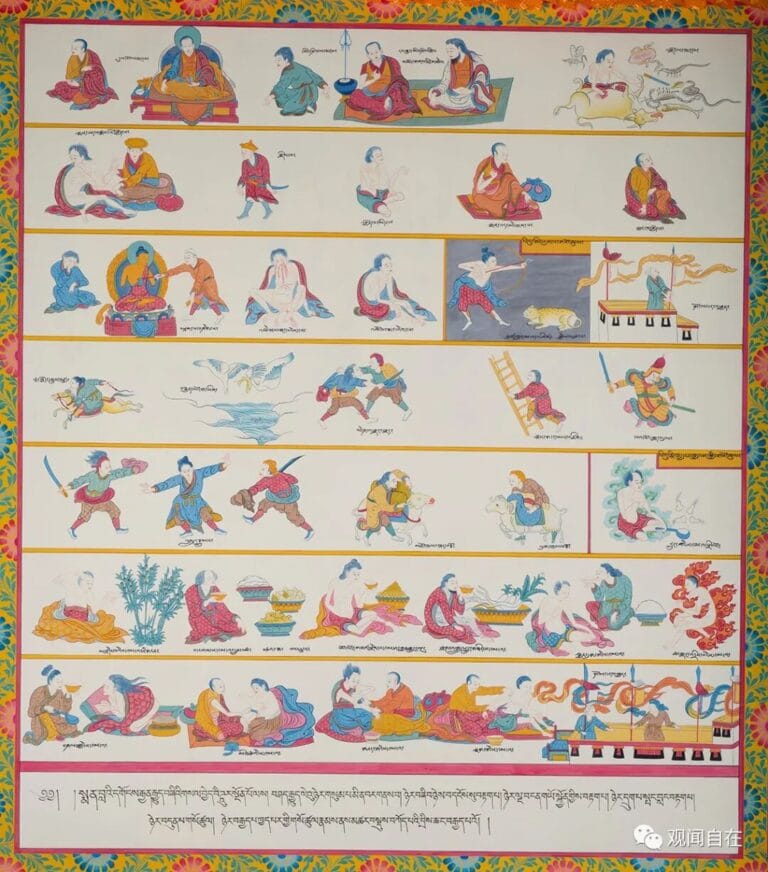
The Four Medical Classics, Mantang Figure 37: Disease Prevention, Diagnosis and Treatment
Figure 37 Disease prevention, diagnosis and treatment (1) This diagram is based on the contents of six chapters, including Chapter 23 “Disease Prevention Methods”, Chapter 24 “Diagnostic Methods”, Chapter 25 “Medical Practice Tips”, Chapter 26 “Standards for Accepting and Refusing Diagnosis and Treatment”, Chapter 27 “General Treatment Principles”, and Chapter 28 “Special Treatment Principles”. (2) The main contents of this diagram can be divided into: disease prevention and supplementation, diagnosis methods; Tips for practicing medicine; Principles of treatment, tentative treatment and other parts.
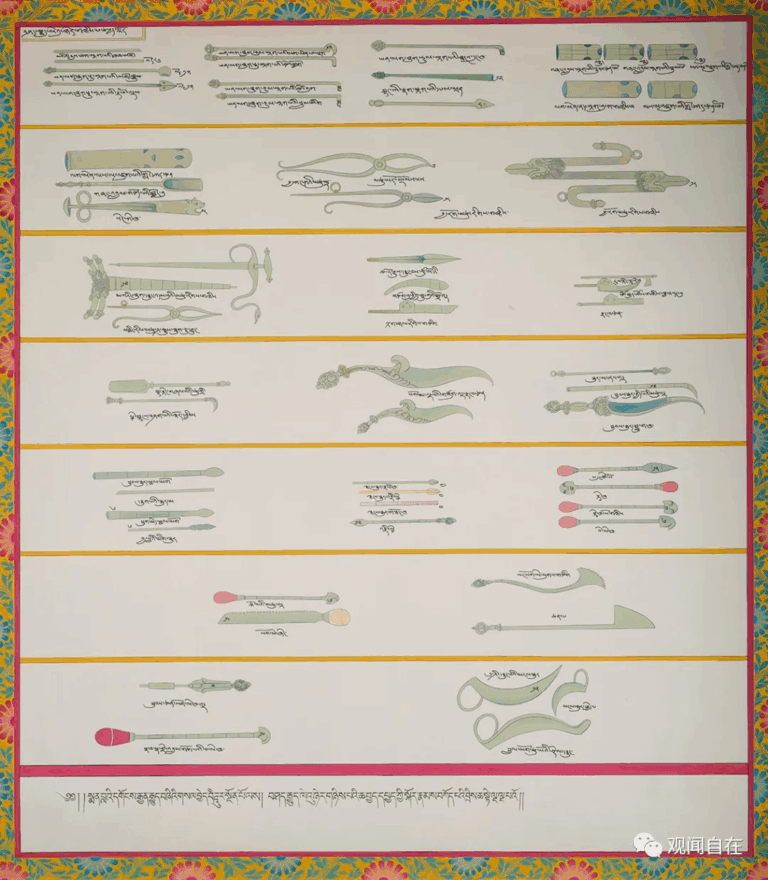
“Four Medical Classics” Mantang 36th Figure: Medical Equipment
Figure 36 Medical devices (1) This diagram is drawn based on the content of Chapter 22 “Medical Devices” of the “Four Medical Classics, Discussing this Collection”. (2) Tibetan medicine believes that there are four main treatment methods for diseases: dietary control, daily life regulation, internal medication and external treatment. External treatment methods include three categories: light, heavy, and large. Mild external treatment methods are generally less painful, including hot compresses, cold compresses, warm baths, oil rubbing, etc.; Severe external treatment methods are generally more painful, including enemas, moxibustion, bloodletting, puncture, etc.; Major external treatment refers to major surgery, including various surgeries such as incision, incision, and removal. Medical devices are mainly used in the latter two types of external treatment methods. (3) The eye medicine dispenser, medicine spoon, medicine chain, medicine screen, medicine broom, etc. in this picture are not described in Chapter 22 “Medical Devices” of the “Four Medical